
Finding male friendships that can hold more than work talk
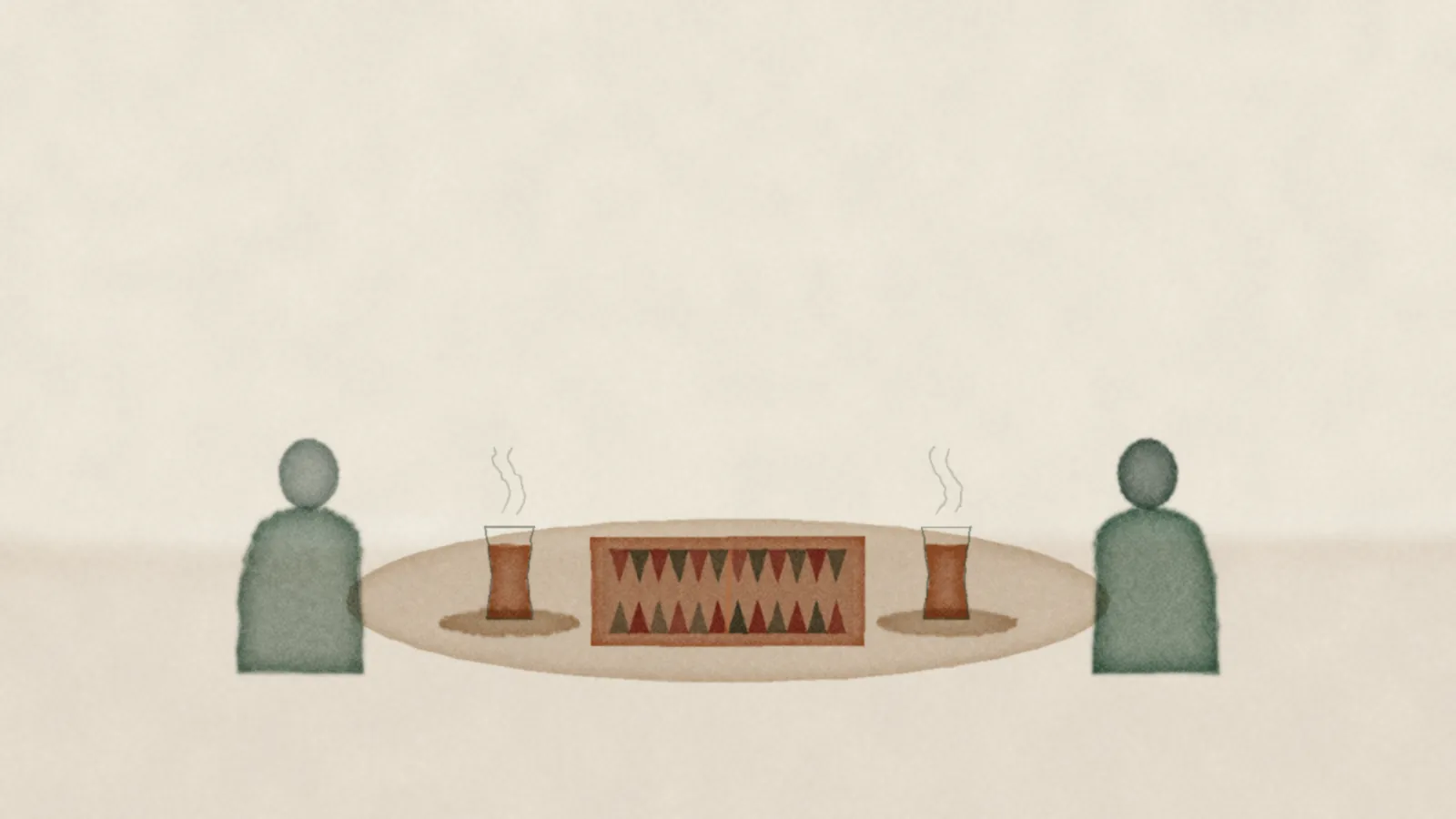
You and a friend have lunch every few weeks. You can talk for an hour about clients, deadlines and the new manager. Then you both get back in your cars, and neither of you has mentioned that your father is unwell, or that he's been sleeping badly since the layoff rumours started. You like each other. You just don't know how to get past the safe topics.
Many men have friendships built around shared activities, like work, sport or practical favours, and that's a real form of closeness. But when life gets hard, especially far from family, it helps to have at least one friend who knows what's actually going on. Strong social ties are linked to better health and longevity [2]. The good news is that deeper friendships rarely come from one big conversation. They grow through small shifts and time spent together [1].
Change one question
At your next lunch, try a question that opens another door:
- “What's been taking up your time outside work?”
- “How's your family doing back home?”
- “What are you looking forward to this month?”
Then answer it yourself, too. A small honest detail, like “I've been missing my old neighbourhood a lot lately”, gives the conversation somewhere else to go, and makes it easier for your friend to share something back.
Move the friendship to a different setting
Settings shape conversations. Invite your friend somewhere work is harder to make the whole subject:
- shopping for and cooking dinner together,
- watching a match somewhere you can stay for tea afterwards,
- a long walk, hike or drive,
- helping each other with a project at home.

Side-by-side activities often make it easier for men to talk, without the pressure of sitting face to face.
Let it stay light sometimes
If your friend prefers lighter talk that day, let it stay light. Trust grows through enjoying someone's company, not only through big disclosures. Being reliably there, through the jokes, the football and the favours, is what makes the deeper conversations possible later.
Be the first to share, a little
Someone has to go first. Share something modestly personal and see what happens. You don't need to unload everything; a single sentence often signals that the friendship can hold more.
When loneliness is heavy
Many men abroad feel isolated but don't say so. If you're feeling persistently low, lonely or stuck, please talk to someone: a friend, a doctor, or a men's group. Our article on checking in with a male friend works both ways.
Questions people often ask
How do men make close friends as adults?
Through repeated time together, shared activities, and gradually sharing more personal topics. Joining a regular group activity, like a team, a club or a men's circle, helps create the repetition friendships need [1].
Why are male friendships often less emotional?
Many men are raised to show care through actions rather than words. That's valuable, and it can coexist with talking more openly when it matters.
How do I make friends after moving abroad as a man?
Start with something regular: a weekly sport, a class, volunteering or a community group. Keep showing up, and suggest a coffee or meal with someone you click with.
Men making room for real conversation
White Circle's Men's Circle is a place where Iranian men abroad can talk about more than work. Explore our circles.
References
About this article. Written by the White Circle editorial team, which runs peer support groups for Iranians abroad on anxiety, low mood, relationships, divorce, grief and more. Last updated November 25, 2026. We link the research and health guidance we rely on in the references below.
This article shares general information and lived-experience perspectives. It is not medical advice, diagnosis or treatment, and peer support is not a substitute for care from a licensed professional.
Related support groups: