Making daily tasks manageable on a low-energy week
The laundry basket looks like one task until you count the stairs, the coins for the machine, the waiting, and the trip back down. On a low-energy day, that is not one task. It is ten. No wonder it sits there.
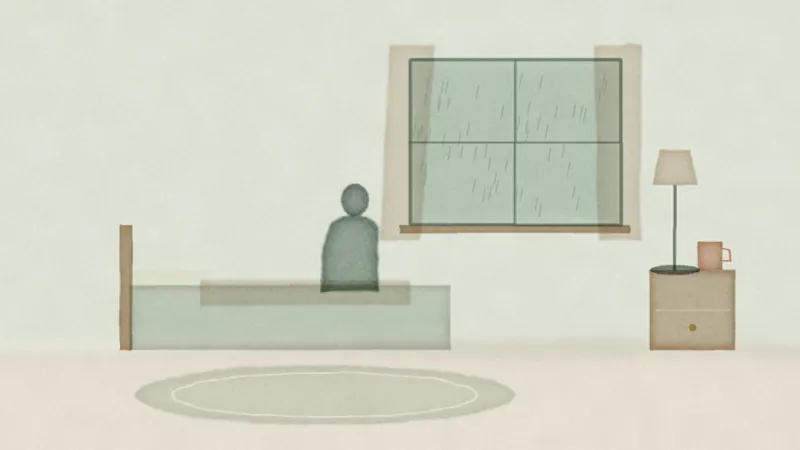
Low energy can come from many things: depression, grief, a long stretch of stress, poor sleep, night shifts, physical illness, or the exhausting work of living in a second language. Whatever the cause, the goal on a hard week is not to catch up on everything. It is to get through the day with your basic needs met and a little kindness toward yourself.
Shrink the task until it’s possible
Look at the job and ask: what is the smallest part that would make tomorrow easier?
- Instead of “do the laundry,” wash the one shirt you need for work in the sink.
- Instead of “clean the kitchen,” wash one plate and one glass so you can eat.
- Instead of “answer emails,” open one letter and decide what it needs.
Finishing a small piece counts. The rest can wait. Many people find that once they start, a little more becomes possible, but it is fine if it doesn’t.
Lower the bar for meals
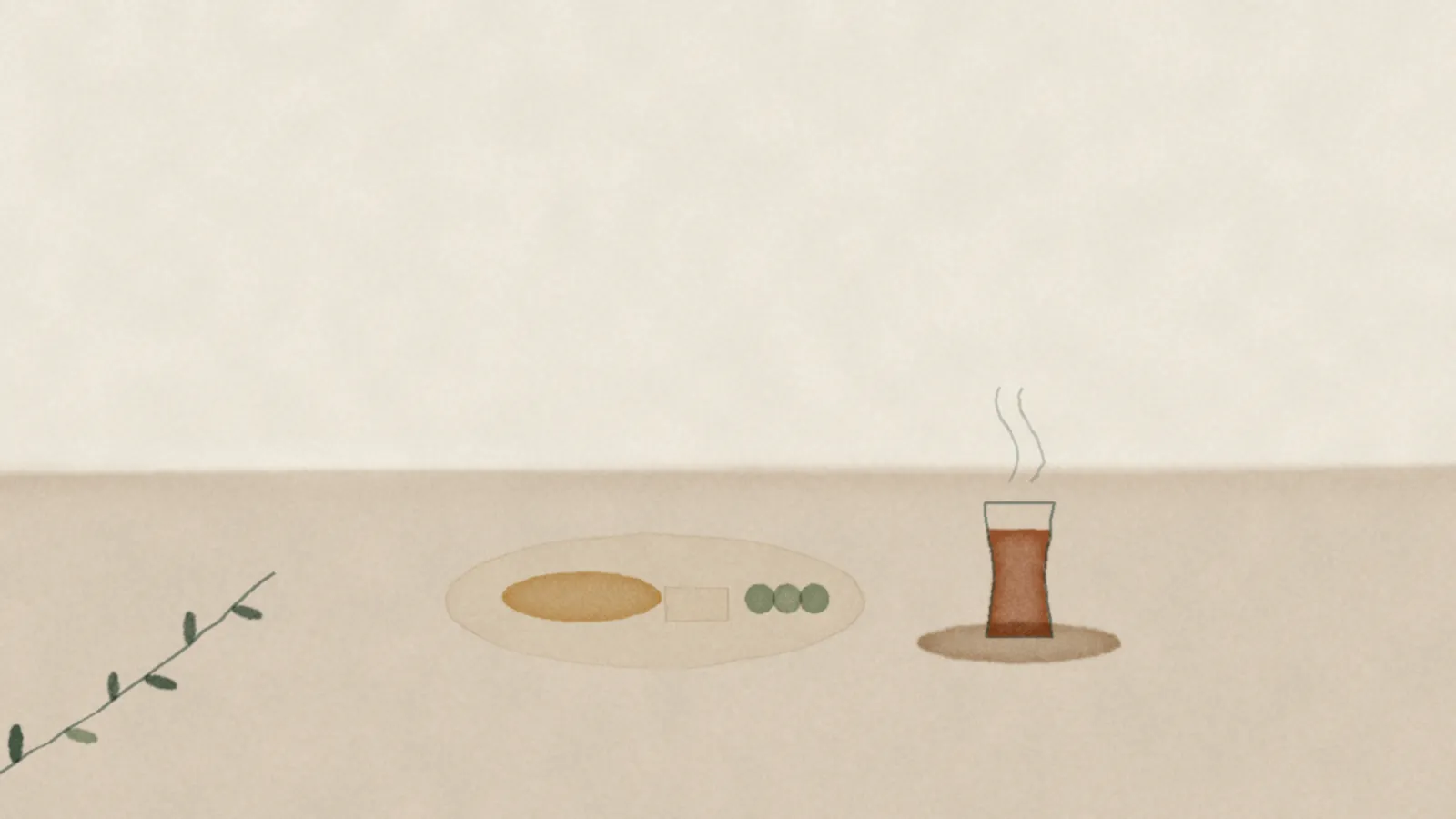
Food matters on low days, but a meal doesn’t have to be a project. Ask: what can I eat with the food and energy I already have? Bread, cheese, cucumber and a few walnuts is a perfectly good Iranian-style dinner. So is yogurt with fruit, eggs, rice from the freezer, or soup from a can. If your family culture associates a “proper” meal with khoresh and rice, give yourself permission to put that standard aside for now.
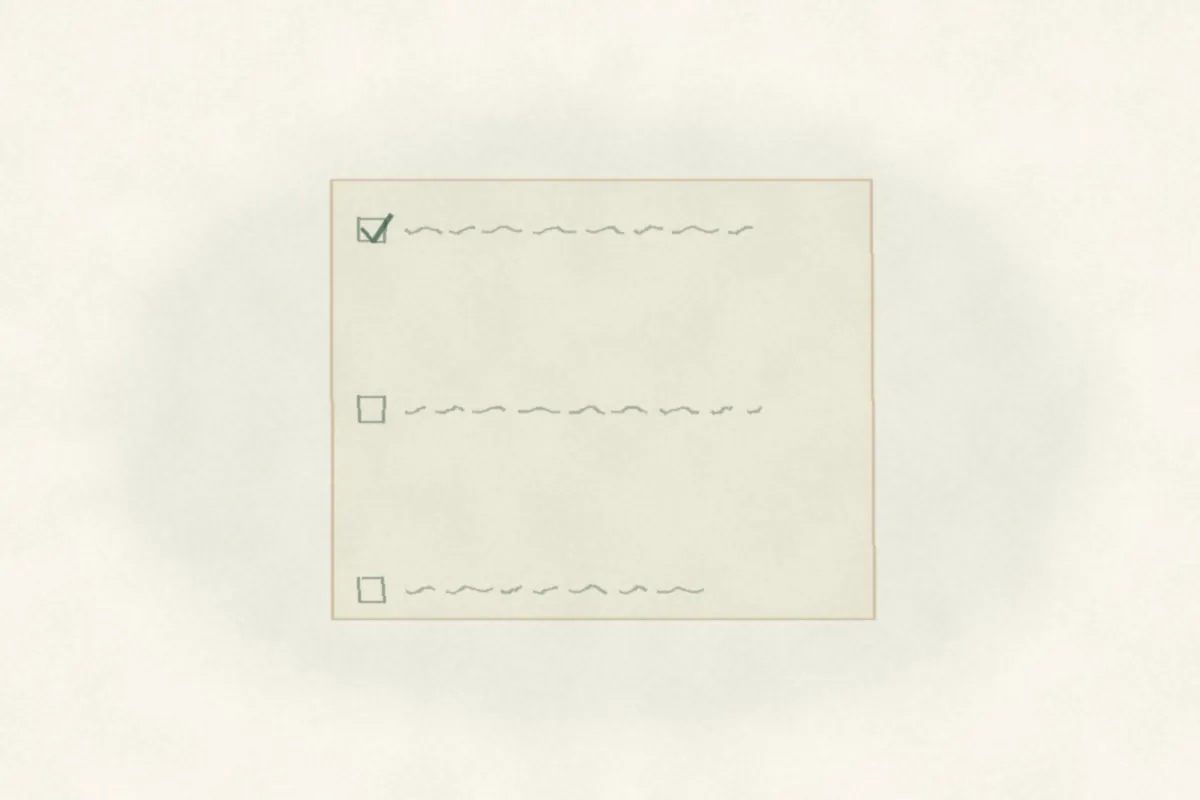
Pick a “must” list of three
Write down only the three things that truly need doing today: perhaps eat something, take medication, reply to work. Everything else goes on a “later” list. Ticking off even one item can be a relief. Some people find it helps to do the hardest of the three at the time of day when their energy is best.
Let someone help, specifically
When someone asks, “How can I help?”, giving them a single job with a clear finish line makes it easier for both of you:
- “Could you pick up milk and bread on your way?”
- “Could you sit with me while I fill out this form?”
- “Could you call me at 6 so I remember to eat?”
Asking for help is not a burden on people who care about you. It often gives them something they want: a way to be useful.
Be gentle with the inner critic
On low days, many people hear a harsh voice: lazy, useless, what would people say. Notice it, and answer the way you would answer a friend: “You’re exhausted, and you still got up and ate something.” The World Health Organization’s free guide Doing What Matters in Times of Stress, available in Farsi, offers short exercises for noticing difficult thoughts without being pulled along by them [3].
When low energy is a sign to get help
Feeling flat for a few days happens. But if low energy keeps you from eating, washing, working or caring for others most days for two weeks or more, or comes with low mood, hopelessness or loss of interest, please talk to a healthcare professional [1][2]. Physical causes such as anemia, thyroid problems or vitamin deficiencies can also cause fatigue, and a doctor can check for them. Our guide to preparing for a first appointment may help.
If you have thoughts of harming yourself, call or text 988 in the US and Canada, call Samaritans on 116 123 in the UK and Ireland, or contact your local emergency number. See our support resources page.
Questions people often ask
Why can’t I do simple things when I’m depressed?
Depression can affect energy, concentration and motivation, which makes even familiar tasks feel heavy [1]. This is a symptom, not a character flaw.
Should I force myself to be productive?
Gentle, small steps tend to work better than forcing. Choose one small task that supports your basic needs and let that be enough.
How do I explain this to family who think I’m just lazy?
You might say: “I’m dealing with very low energy right now, and I’m getting it checked. Small, specific help would mean a lot.”
You’re not the only one
Members of White Circle’s Depression & Emotional Well-being and Resilience Circle groups often share the small tricks that get them through hard weeks. Peer support isn’t treatment, but it can make the weight feel shared. Explore our circles.
References
About this article. Written by the White Circle editorial team, which runs peer support groups for Iranians abroad on anxiety, low mood, relationships, divorce, grief and more. Last updated November 25, 2026. We link the research and health guidance we rely on in the references below.
This article shares general information and lived-experience perspectives. It is not medical advice, diagnosis or treatment, and peer support is not a substitute for care from a licensed professional.
Related support groups: