Rebuilding ordinary routines after a relationship ends
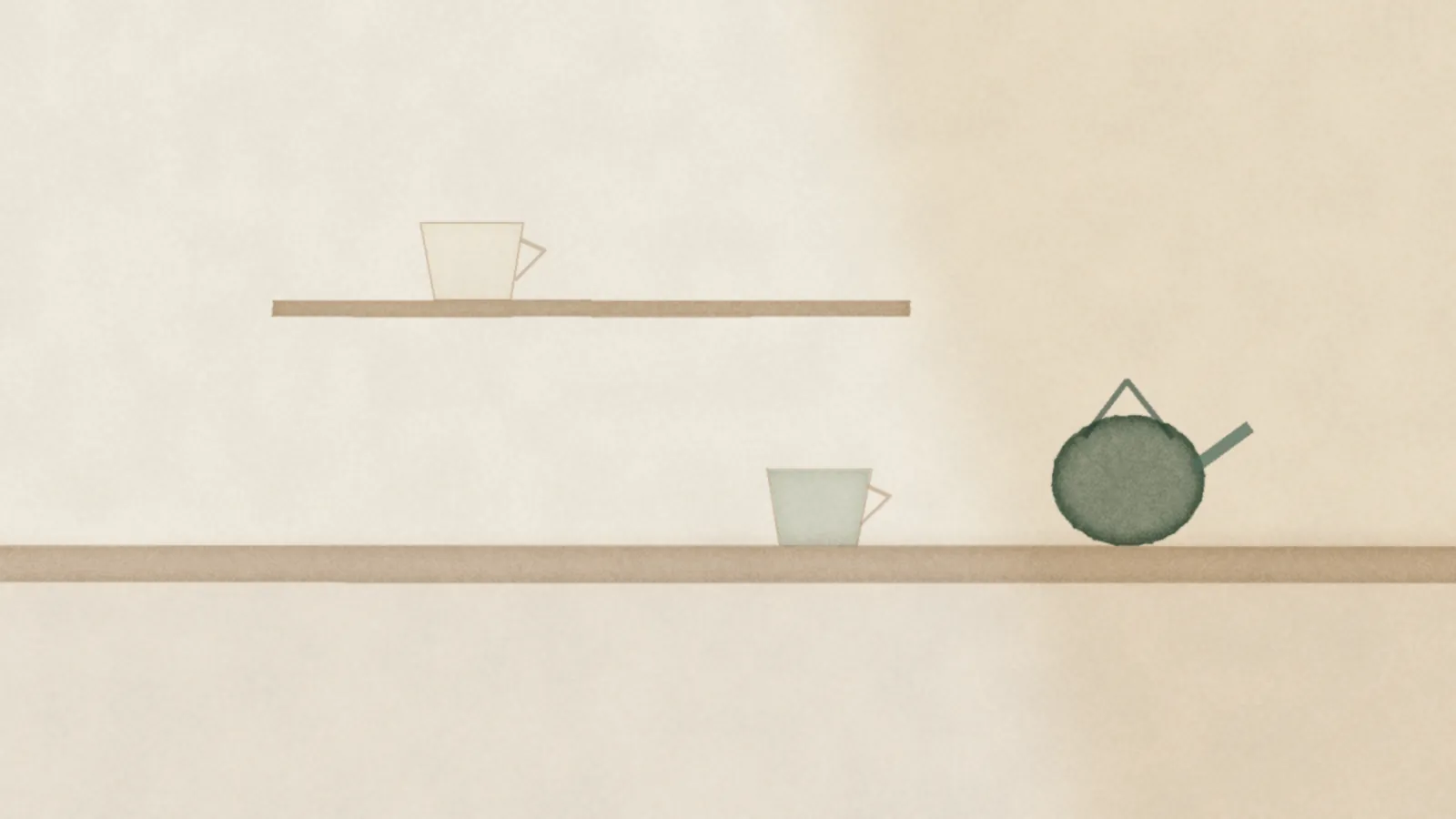
The washing machine beeps, and you realize you never learned which setting your partner used for the dark clothes. Later you reach for two cups out of habit and put one back. Some routines feel strange because you never did them. Others hurt because you know them too well.
After a relationship ends, ordinary life can feel like a house where someone moved the furniture overnight. You don't have to rebuild it all at once. Small, steady routines can give the days some shape while the bigger feelings take their time [2].
Pick one task to relearn
Choose one practical job your partner used to handle, and learn it this week: the washing machine, the car insurance, the online banking, the boiler. Ask a friend, look up a short video, or call the provider. Each task you learn is one less thing that feels out of reach.
Pick one shared habit to change on purpose
Some routines carry too many memories. Choose one and change it deliberately:
- Move a chair if the old seat at the table feels difficult.
- Have your morning tea by the window instead of at the counter.
- Take a different route on your Saturday walk.
Leave other things as they are until you know what you prefer. Changing everything in the first week can make home feel even less familiar.
Make dinner simple
Cooking for one can feel pointless at first. Write a short list of meals you enjoy and can manage on an ordinary evening, like an omelette with herbs, rice and lentils from the freezer, or bread, cheese and fruit. That counts as dinner. Our article on making daily tasks manageable on a low-energy week has more ideas.
Give the hard hours a plan
Many people find that evenings or Sunday mornings are the hardest. Put something small in those hours: a call, a walk, a class, a TV series you watch with a friend over video. Short, practical exercises from the WHO's free guide Doing What Matters in Times of Stress, which is also available in Farsi, can help when difficult thoughts take over [1].
Notice when you need more support
If after a few weeks you're struggling to eat, sleep, work or get out of bed most days, please talk to a doctor or counselor. If you're having thoughts of harming yourself, in the US or Canada call or text 988, in the UK and Ireland call Samaritans on 116 123, or contact your local emergency number. See our support resources page.
Questions people often ask
How do I create a routine after a breakup?
Start small: a regular wake-up time, one simple meal plan, and something planned for your hardest hours. Add more once those feel steady.
Should I change my home after a breakup?
Small changes, like moving a chair or rearranging a shelf, can help. Bigger decisions can wait until you know what you want.
How long does it take to feel normal after a breakup?
It varies a lot. Many people notice the days feel more manageable over a few months, especially with steady routines and support.
Rebuild alongside others
In White Circle's Divorce & Breakup Recovery circle, Iranians abroad share the small changes that helped them make home feel like their own again. Explore our circles.
References
About this article. Written by the White Circle editorial team, which runs peer support groups for Iranians abroad on anxiety, low mood, relationships, divorce, grief and more. Last updated November 25, 2026. We link the research and health guidance we rely on in the references below.
This article shares general information and lived-experience perspectives. It is not medical advice, diagnosis or treatment, and peer support is not a substitute for care from a licensed professional.
Related support groups: