The first weeks after a breakup when your close friends live far away
It isn't the moment of the breakup that catches you. It's the hour after dinner. In the past someone cleared the table with you and talked about their day. Now the flat is quiet, your sister in Shiraz is asleep, and the friends who knew you both are a continent away. You put the TV on just to hear voices.
A breakup is painful anywhere. Abroad, your partner may also have been your main translator, your closest company and the link to your social life. Separation is one of the more stressful experiences people go through, and having people around you makes a real difference [2]. The first few weeks are about getting through the days and building enough support to lean on.
Put safety and practical needs first
Before explaining anything to anyone, sort the basics:
- a safe place to stay, and keys to it,
- access to your documents, bank account and phone,
- how you'll get to work and appointments.
If a former partner threatens or frightens you, contact local emergency services or a domestic violence helpline, and seek support from a device and place they can't access. See our support resources page.
Map the empty hours
Look at a typical day and mark the hours that now feel emptiest, such as evenings, weekend mornings or meals. Those are the places to add contact first [1].
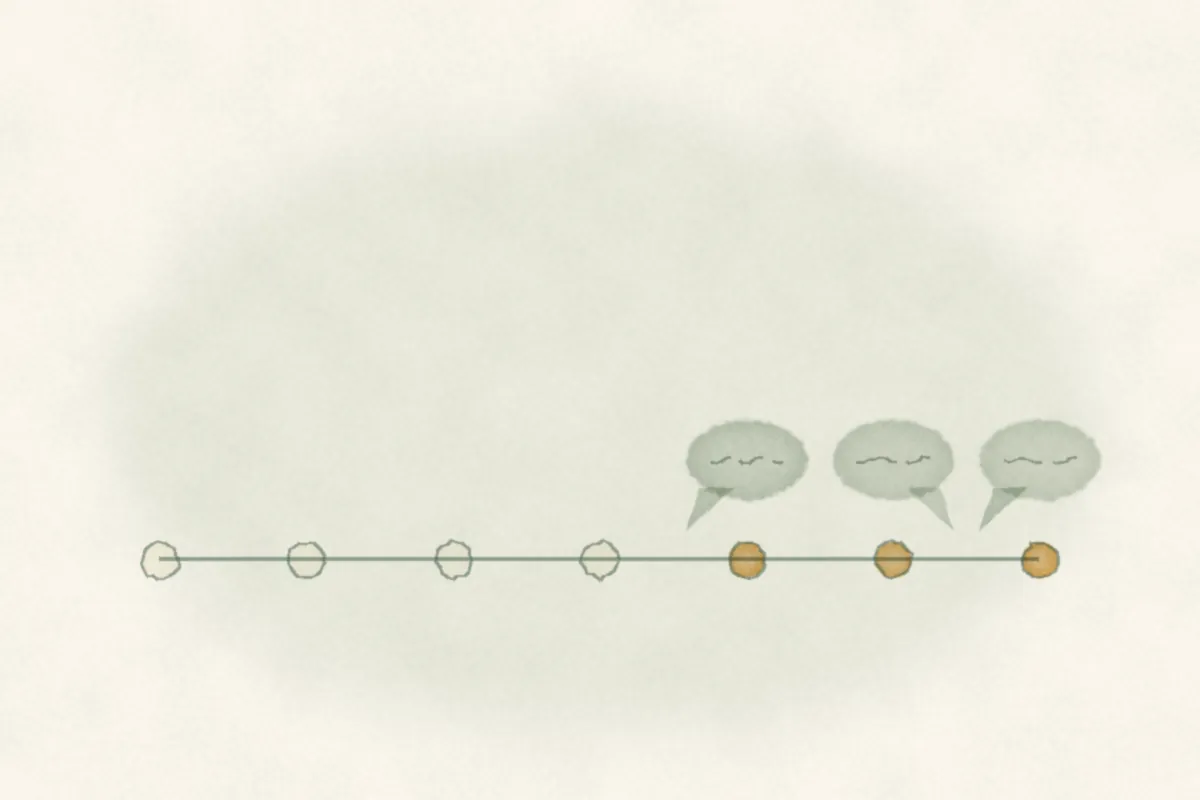
Ask for specific support, near and far
Different people can fill different gaps:
- Someone far away for regular contact: “Could you send me a voice note when you wake up? Even a short one helps.”
- Someone nearby for ordinary company: “Could we do the grocery shop together on Sunday? I'd rather have company than go over what happened.”
You don't have to tell everyone the full story. Asking for company is enough. Our article on staying close to friends in other countries has ideas for keeping long-distance friendships steady.
Keep a little structure
When everything feels upside down, small routines help: a regular time to get up, one proper meal a day, a short walk. Our article on rebuilding routines after a breakup goes into this.
Watch for signs you need more help
Grief after a breakup can come in waves. If sadness, poor sleep or hopelessness continue for more than a couple of weeks, or make it hard to work, please talk to a doctor or counselor.
If you're having thoughts of harming yourself, in the US or Canada call or text 988, in the UK and Ireland call Samaritans on 116 123, or contact your local emergency number.
Questions people often ask
How do I cope with a breakup when I have no friends nearby?
Combine regular contact with friends far away, like voice notes or scheduled calls, with one or two small outings with people nearby, even acquaintances.
Is it normal to feel this lost after a breakup?
Yes. When a partner was also your closest support in a new country, the loss can touch almost every part of daily life.
Should I move back to Iran after a breakup?
Big decisions are better made once the first shock has passed. Give yourself time and talk it through with people you trust.
You don't have to go through it alone
White Circle's Divorce & Breakup Recovery circle is a confidential space in Persian where Iranians abroad talk about separation and starting again. Explore our circles.
References
About this article. Written by the White Circle editorial team, which runs peer support groups for Iranians abroad on anxiety, low mood, relationships, divorce, grief and more. Last updated November 25, 2026. We link the research and health guidance we rely on in the references below.
This article shares general information and lived-experience perspectives. It is not medical advice, diagnosis or treatment, and peer support is not a substitute for care from a licensed professional.
Related support groups: