Trying a new hobby without turning it into another obligation
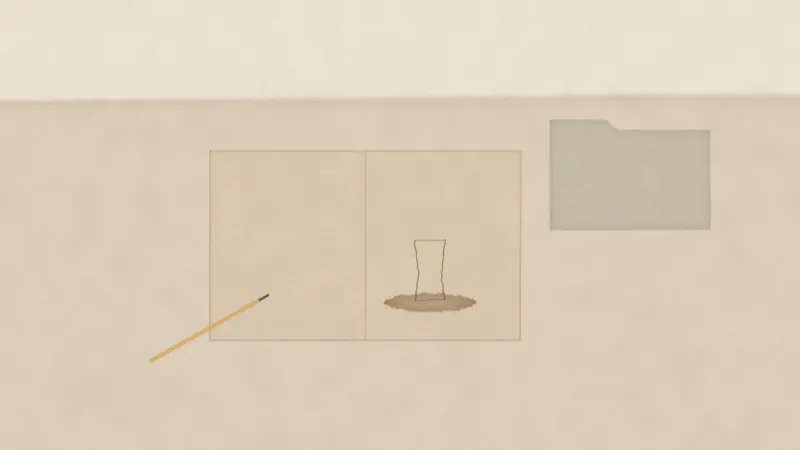
A poster for a pottery class catches your eye at the library. Within ten minutes you're pricing wheels online, imagining selling bowls at a market, and wondering whether you'll ever have time to get good. By the time you get home, the idea feels like another project you're behind on, and you never sign up.
For many adults, free time has been taken over by obligations: work, chores, paperwork, family calls. When something playful appears, it can quickly turn into another obligation, something to excel at or justify. But hobbies don't need to be productive to be worthwhile. Studies have linked regular hobby engagement with better wellbeing and life satisfaction [1], and shared activities are one of the easiest ways to meet people in a new place [2].
Give the interest a small first outing
Instead of committing to a course, find the lightest possible way to try it:
- a drop-in session where materials are included,
- a free taster class at a community centre or library,
- borrowing a friend's tools for an afternoon,
- watching one beginner video and trying it at the kitchen table.
Decide in advance when the experiment ends
One class is a complete plan. Before you go, tell yourself: “I'm trying this once. Afterwards I'll decide whether to go again.” That takes away the pressure to be good, or to commit.
Ask what you actually enjoyed
On the way home, ask yourself: “Which five minutes would I like to repeat?”
The answer may surprise you. If it was chatting with others while your hands were busy, a craft night or a community kitchen might suit you better than a structured course. If it was the quiet focus, a solo activity at home might be enough. Enjoyment is all the information you need to guide your next try.
Let it be for you
A hobby abroad doesn't need to match what you did back home, and it doesn't need to lead anywhere. You don't need to post it, sell it or get a certificate. You can be a beginner who enjoys it. That in itself can be a relief after months of feeling you must prove yourself everywhere else.
Ideas to try with little money
- community gardens or tree-planting days,
- library clubs, book groups or language exchanges,
- walking or running groups,
- choirs or music jams,
- volunteering at events, which often includes free entry,
- Persian cultural associations that run poetry nights, dance or calligraphy classes.
When nothing feels enjoyable
If activities you used to love feel empty, or you've lost interest in most things for more than two weeks, that can be a sign of depression rather than just a busy schedule. Please talk to a doctor. Our guide to low energy and everyday tasks may help.
Questions people often ask
How do I find a hobby as an adult when I don't know what I like?
Think back to what you enjoyed as a child or teenager, or notice what you linger over when browsing. Try two or three things once each, with no commitment.
Is it too late to start a new hobby in my 40s or 50s?
Not at all. Many people take up new activities later in life, and adult beginners often enjoy them more because there's less pressure to be the best.
How can hobbies help me make friends abroad?
Regular group activities give you repeated contact with the same people, which is how many friendships form. Choose something that meets weekly and keep showing up.
Try something new with company
In White Circle's Personal Growth circle, Iranians abroad share the small interests that helped them settle in. Explore our circles.
References
About this article. Written by the White Circle editorial team, which runs peer support groups for Iranians abroad on anxiety, low mood, relationships, divorce, grief and more. Last updated November 25, 2026. We link the research and health guidance we rely on in the references below.
This article shares general information and lived-experience perspectives. It is not medical advice, diagnosis or treatment, and peer support is not a substitute for care from a licensed professional.
Related support groups: