Making time for each other after a move changes your routines
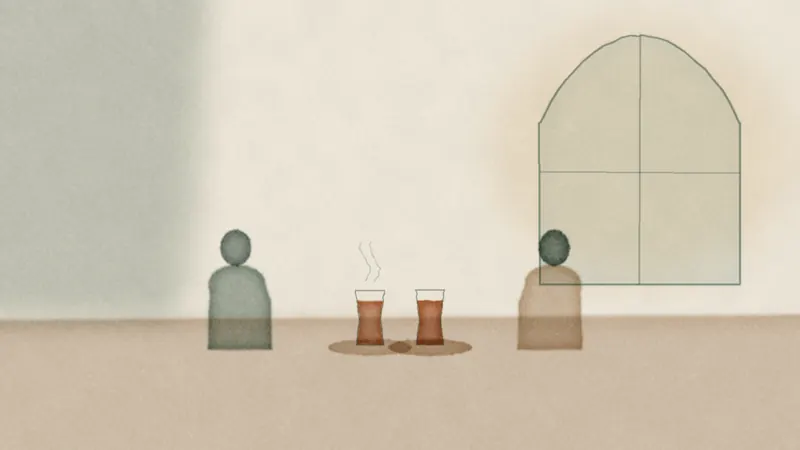
Back home, your favourite café did half the work of spending time together. You both knew which table, which afternoon, which friends might drop by. After moving, even a simple evening out can mean researching neighbourhoods, finding parking, checking prices and matching two new work schedules. Weeks pass, and you realise most of your conversations are about bills, forms and who is picking up groceries.
That drift is very common after any big change, whether a move, a new job or a baby. Routines that held a relationship together quietly disappear, and both partners are often too tired from adjusting to rebuild them. The good news is that closeness doesn't need grand gestures. It usually comes back through small, repeated moments that you choose on purpose.
Recover the part you actually miss
Before planning “date nights”, think about what your old rituals gave you. Ask each other:
- Was it getting out of the house and seeing other people around you?
- Was it conversation without children, phones or chores interrupting?
- Was it being looked after, someone else cooking or serving the tea?
- Was it novelty, trying something new together?
Different needs have different solutions. If it was conversation, an expensive dinner isn't required. If it was getting out, a walk through a market may do more than a film at home.
Start with fifteen minutes, not a whole evening
Pick something small enough to happen this week:
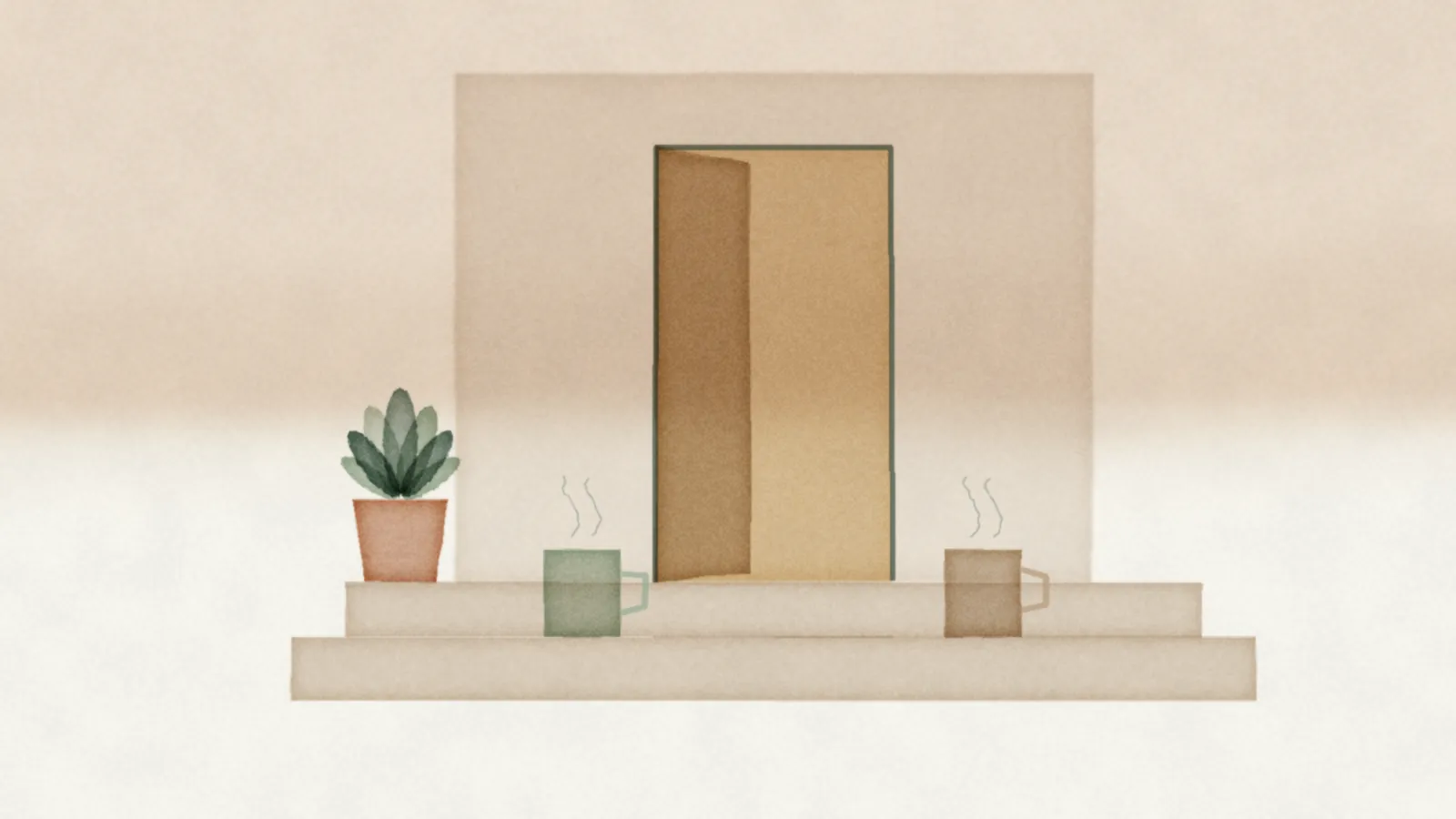
- two glasses of tea on the front step or balcony after dinner,
- a walk around the block before bed,
- breakfast together on one weekend morning, phones in another room,
- walking to the bus stop or station together once a week.
Choose a time you genuinely share. If evenings keep falling apart because of shifts or children, a morning ritual may be more realistic.
Park the household questions
When time is scarce, every quiet moment fills up with logistics. Keep a slip of paper or a shared note for “for later” questions, such as the bank letter, the school form or next month's rent, and agree that your fifteen minutes are for something else.
Then ask questions you can't learn by coordinating errands:
- “What made you laugh this week?”
- “What's something here that surprised you?”
- “What do you miss most right now?”
- “What's one thing you'd like us to try this month?”
Explore your new city together
Shared novelty can bring couples closer. Make a short list of free or low-cost things nearby: a park you haven't visited, a library event, a Persian bakery across town, a free museum day. Take turns choosing. Being beginners together in a new place can feel very different from struggling with it separately.
Building connections outside the relationship helps too. Couples who rely only on each other for all their social contact can feel the strain more [1].
When it's harder than finding time
If time together keeps turning into arguments, or one of you feels persistently low, stressed or withdrawn, the problem may be bigger than scheduling. Ongoing stress affects mood, sleep and patience [2]. A couples counselor or your doctor can help you work out what's going on.
Questions people often ask
How do we make time for each other with kids and long work hours?
Go small and regular. Ten minutes after the children are asleep, or a weekly walk, counts. Protect it like an appointment, and swap babysitting with another family occasionally for a longer outing.
What if my partner doesn't seem interested?
Ask what they would enjoy instead of planning what you think should happen. Some people connect better side by side, cooking, walking or driving, than face to face over dinner.
We used to have friends around us all the time. Is it normal to feel lonely as a couple?
Yes. Many couples lose a wide social circle after a move or a big life change, which puts more weight on the relationship. Building new friendships, separately and together, often helps the couple too.
Hear how other couples rebuilt their routines
In White Circle's Relationships & Marriage circle, Iranian couples abroad share the small rituals that help them stay close. Explore our circles.
References
About this article. Written by the White Circle editorial team, which runs peer support groups for Iranians abroad on anxiety, low mood, relationships, divorce, grief and more. Last updated November 25, 2026. We link the research and health guidance we rely on in the references below.
This article shares general information and lived-experience perspectives. It is not medical advice, diagnosis or treatment, and peer support is not a substitute for care from a licensed professional.
Related support groups: