How to set boundaries with family back home as a couple
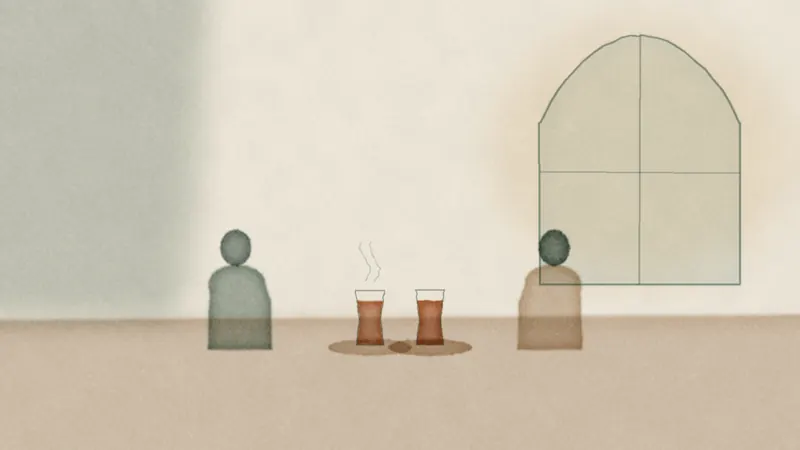
The phone lights up halfway through dinner. It is morning in Tehran, the one hour your mother is free before her day begins. You feel rude letting it ring. Your partner, who has just started telling you about their day, feels like the third person at the table. Neither of you is wrong, and the same scene repeats four nights a week.
For many Iranian couples abroad, family contact is a lifeline. It is also one of the most common sources of quiet tension at home. Time zones squeeze calls into awkward hours, two families may expect very different amounts of contact, and it can feel disloyal to say "not now" to people who are far away and missing you. Setting boundaries here isn't about loving your family less. It is about choosing a rhythm you can actually keep, so contact feels warm instead of rushed.
Why family calls create friction
- Time zones. The only convenient hour in Iran is often dinner, bedtime or the school run abroad.
- Different family styles. One family may call daily and expect long conversations; the other may be happy with a weekly message. Each partner tends to see their own family's pattern as normal.
- Guilt and worry. When relatives are ageing, unwell or living through hard news, it can feel impossible to miss a call.
- One partner in the middle. The person whose family it is often feels torn between their parents and their spouse, and may end up pleasing no one.
Feeling stretched between home and here is a normal part of living far from family. Naming that pull can make it easier to talk about without blaming each other [2].
Agree with each other before you talk to family
Before either of you says anything to relatives, sit down together and answer three questions:
- What can we reliably offer? Two predictable calls a week that you actually keep may feel better on both sides than seven hurried ones.
- What times protect our evenings? For example, after dinner on Tuesdays and a longer call on Friday morning.
- What counts as urgent? Agree that real emergencies always get answered, and decide how family can signal that.
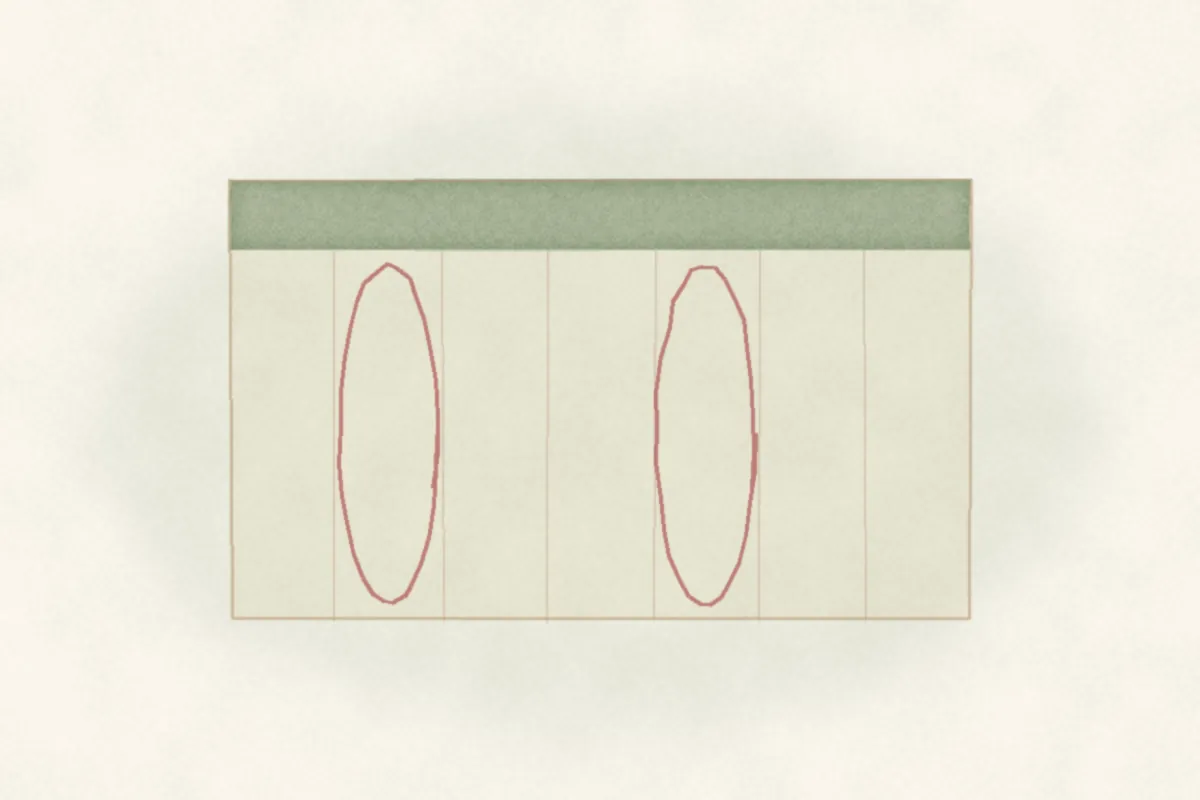
Write the plan down. If it helps, put the call times in a shared calendar so neither person has to remember alone.
The person whose family it is explains the plan
The arrangement lands better when each partner talks to their own family, in their own voice. For example:
- "We'd love to call on Tuesdays after dinner and Fridays in the morning, when we can really talk."
- "If something is urgent, send me a message saying it's urgent and I'll call straight back."
Avoid framing the change as your partner's rule. "My wife doesn't like the phone at dinner" invites resentment toward someone who isn't on the call. "We've found this works better for us" keeps you on the same team.
Keep the warmth while changing the rhythm
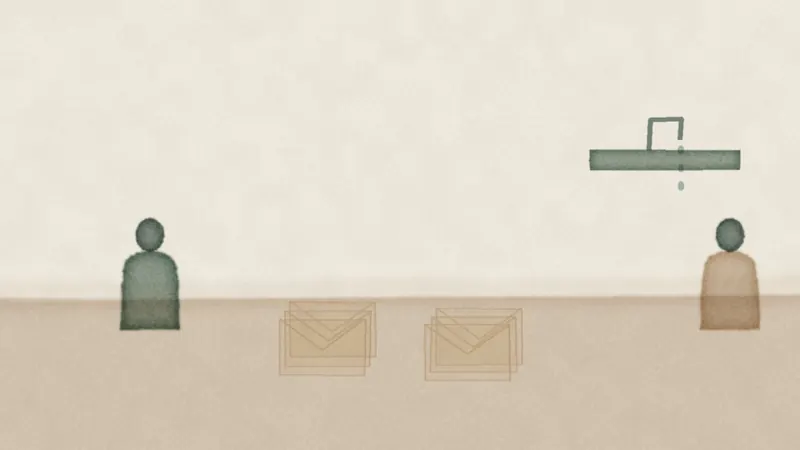
Fewer live calls doesn't have to mean less connection [1]. Many families enjoy:
- short voice messages during the week, which can be heard whenever is convenient,
- photos of everyday life, like a meal you cooked or the view from a walk,
- a shared family group for news, so one person isn't repeating everything,
- one longer video call where everyone, including children, joins.
Review it after a few weeks
After a week or two, check in with each other: Did the new times work on both sides of the border? Does anyone feel left out? Is one family getting much more time than the other, and is that okay with both of you? Adjust as needed. Health news, holidays like Nowruz or a family crisis may need a temporary change, and that's fine.
If talking about either family keeps turning into the same argument, a couples counselor can help you find a fair middle ground.
Questions people often ask
How often should we call family back home?
There is no right number. What matters is a rhythm both partners can keep without resentment and that your family can rely on. Predictable calls often feel more caring than frequent, rushed ones.
How do I set boundaries with in-laws without hurting them?
Let your partner speak to their own family, focus on what you can offer rather than what you're stopping, and keep emergencies open. Warmth in the message matters as much as the new schedule.
What if my parents feel rejected?
Some disappointment is normal at first. Keep your side of the plan consistently and add small gestures, like a voice message on a hard day. Over time, reliability usually rebuilds trust.
Other couples are figuring this out too
In White Circle's Relationships & Marriage circle, Iranian couples abroad talk about balancing two families across borders. Explore our circles.
References
About this article. Written by the White Circle editorial team, which runs peer support groups for Iranians abroad on anxiety, low mood, relationships, divorce, grief and more. Last updated November 25, 2026. We link the research and health guidance we rely on in the references below.
This article shares general information and lived-experience perspectives. It is not medical advice, diagnosis or treatment, and peer support is not a substitute for care from a licensed professional.
Related support groups: