Making the first month in a new country feel more predictable
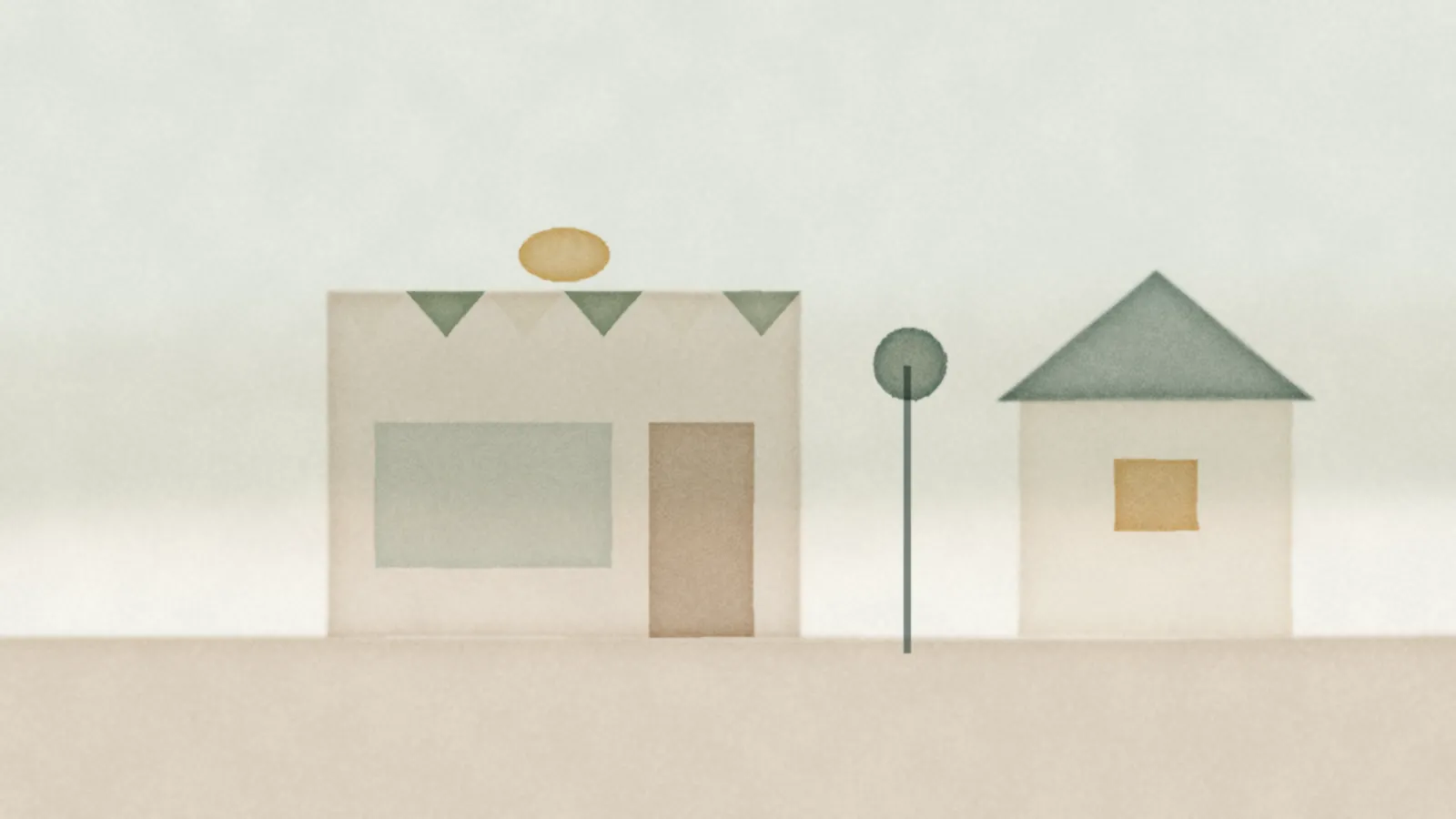
In your first month abroad, buying laundry detergent can take an hour. You're also learning the bus route, the shop layout, how the payment machine works and which brand is which. By the time you get home you're exhausted, and you still have to figure out dinner. Multiply that by every errand, and it's no wonder the first weeks feel so draining.
The early weeks after a move are full of small unknowns. Each one is manageable on its own, but together they create constant low-level stress. One of the most helpful things you can do is make parts of daily life predictable as quickly as possible, so your energy goes into the things that really are new.
Give one route a second use
Instead of exploring a new place every day, go back to the same shop, the same bus stop, the same park. Repeat a route before adding another. On the second or third trip, notice what's along the way: a pharmacy, a library, a café, a park bench. Familiar landmarks make a place feel less foreign, and make it easier to explain where you are if plans change.
Keep a card of three tested details
On a small card, or in your phone's notes, write down three things you've already tested:
- How to get home from the places you go most, including a backup route.
- Where to buy food after work or late in the evening.
- Whom you can ask a local question: a neighbour, a colleague, a community group, a helpful shopkeeper.
Having these written down reduces the mental load when you're tired or something goes wrong.
Add one pleasant repeat
Routines aren't only for errands. Pick one small pleasure to repeat each week: bread from the same bakery counter on Fridays, a Sunday walk along the same street, tea at the same café. A routine you enjoy is easier to return to than a list of chores, and being recognised by someone, even a shopkeeper, can make a new place feel a little more like yours.
Don't try to do everything at once
Many newcomers feel they should sort out every bank account, registration and appointment in the first week. Prioritise what's truly urgent, like housing, legal registration, work and health cover, and let the rest follow. Small, achievable steps lower stress more than a long list that never ends [1].
Look for people early
Loneliness can creep in quickly in the first months. Even brief, regular contact helps: chatting with a neighbour, joining a language class, finding a local Iranian community group or a faith or cultural organisation [2]. You don't need close friends straight away; familiar faces are a good start.
When it's more than settling-in stress
It's normal to feel tired, homesick and overwhelmed in the first months. But if you're struggling to sleep, constantly anxious, unable to cope with daily tasks, or feeling hopeless, please talk to a doctor. Our article on anxiety after immigration explains when to get help.
Questions people often ask
What should I do in my first week in a new country?
Focus on the essentials: a safe place to stay, any legal registrations, a way to pay for things, a working phone, and knowing how to reach emergency services. The rest can wait.
How long does it take to settle into a new country?
It varies a lot. Many people feel more settled after the first few months, once routines form, but adjusting fully can take a year or more.
Is it normal to feel homesick and regret the move early on?
Yes. Homesickness and doubt are very common in the first weeks and months. They often ease as life becomes more familiar.
Meet others who've just arrived
In White Circle's Immigration & Cultural Adjustment circle, newcomers and longtime Iranians abroad share tips for the first months. Explore our circles.
References
About this article. Written by the White Circle editorial team, which runs peer support groups for Iranians abroad on anxiety, low mood, relationships, divorce, grief and more. Last updated November 25, 2026. We link the research and health guidance we rely on in the references below.
This article shares general information and lived-experience perspectives. It is not medical advice, diagnosis or treatment, and peer support is not a substitute for care from a licensed professional.
Related support groups: