What to do when immigration makes you feel like a beginner again
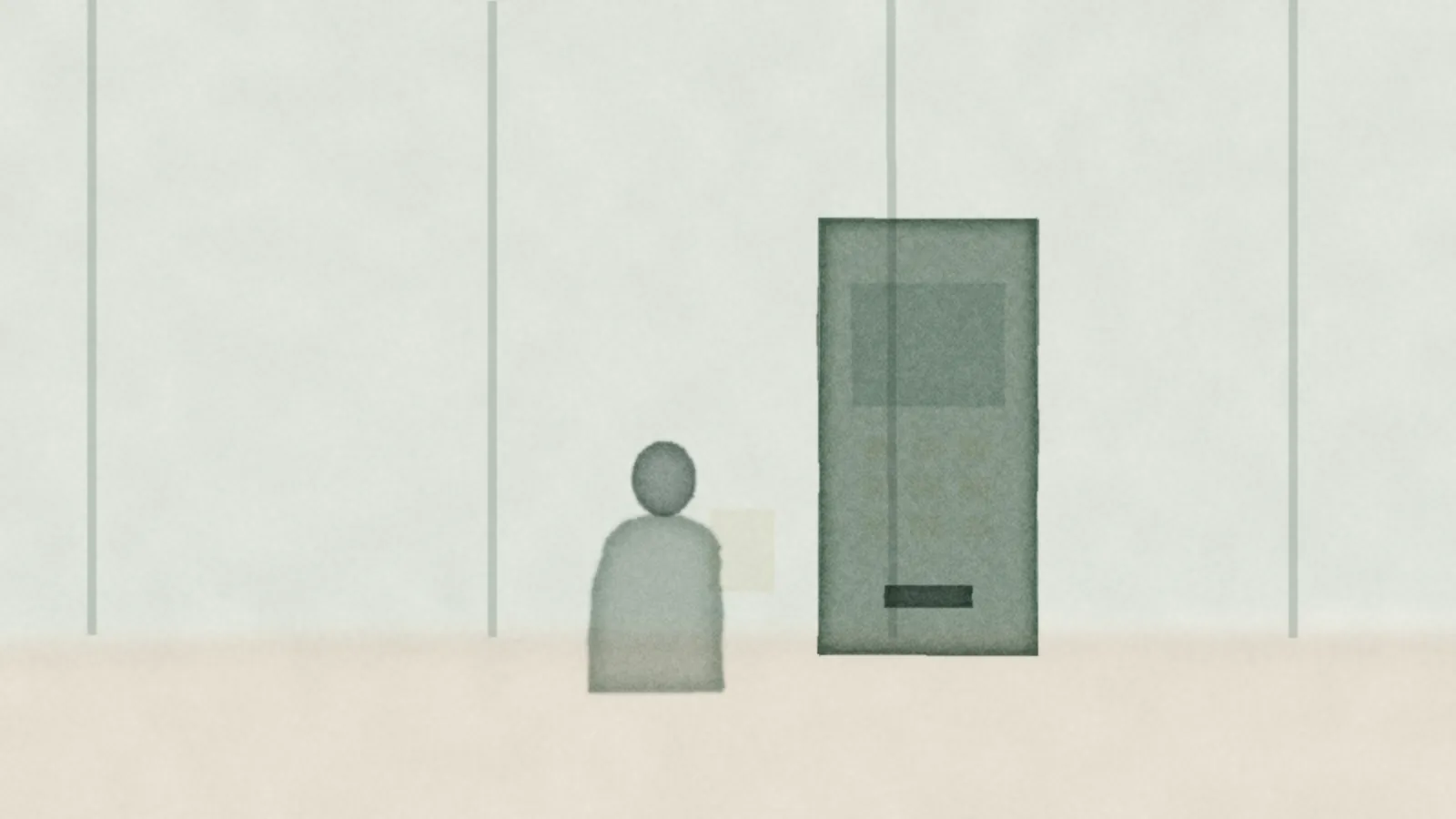
Yesterday you explained a complicated plumbing repair to your brother in Iran, step by step, over a video call. Today you stood at a ticket machine for ten minutes while a queue formed behind you, and finally asked a teenager for help. Both things happened to the same capable person. Only one of them is still replaying in your head at night.
Feeling like a beginner again is one of the most common and least talked-about parts of migration. Professionals, parents and people who ran households and businesses suddenly find everyday tasks, like a phone call, a form or a bus route, hard. It can shake your sense of who you are. Psychologists who study migration describe this as part of “acculturative stress”: the strain of learning a new system of language, rules and customs all at once [2]. It says nothing about your intelligence or worth.
Name exactly which part was unfamiliar
When an awkward moment sticks with you, the mind tends to summarise it as “I'm useless here.” Instead, write down the specific piece that was new. Was it:
- the language on the screen or in the conversation,
- the system, like how payment works or which form comes first,
- the pace, being rushed by a queue or a fast speaker,
- or something you simply hadn't done before?
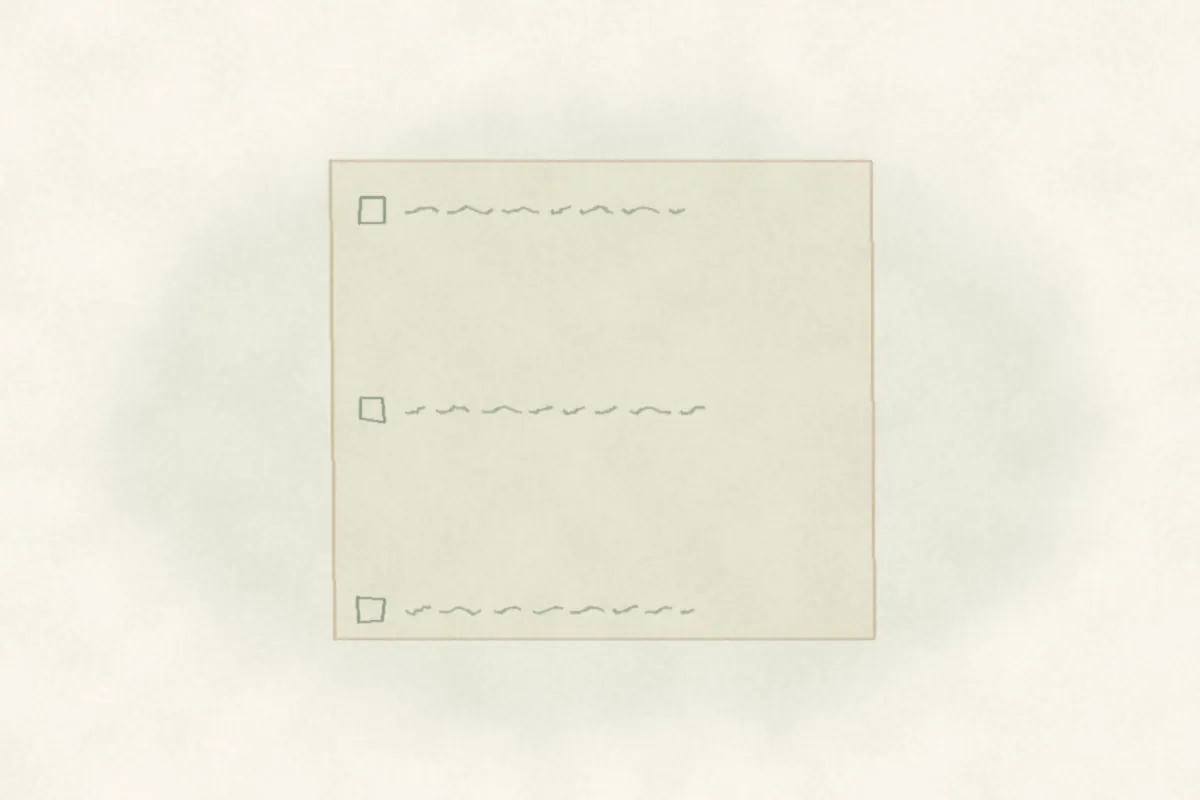
Breaking it down turns a feeling of general failure into a small, solvable problem.
Learn one piece for next time
Choose a single piece to practise. Take a photo of the instructions at the station. Ask someone to walk you through the machine when the queue is short. Look up the three phrases you'll need for a phone call and write them on a card. Small, repeated successes rebuild confidence faster than trying to master everything at once.
Do something you're already good at
That same evening, do something you know well: cook the dish you can make by smell, fix something, help a friend with a skill from your old job, play music. Your week can contain both learning and competence. Reminding yourself of what you can do isn't vanity; it keeps your sense of self steady while you're learning everything else. Holding on to activities that matter to you is one of the steps WHO suggests for handling stress [1].
Talk to yourself like a teacher, not a judge
Notice how you talk to yourself after a hard moment. Would you say the same thing to a friend who'd just arrived? Try something kinder and more accurate: “I've been here six months. Of course this is new. I'll know it next time.” Resilience grows through small steps and self-compassion, not by pretending things are easy [3].
When the feeling won't lift
It's normal to feel discouraged at times. But if low confidence turns into persistent sadness, hopelessness, constant worry, or you're avoiding going out at all, please talk to a doctor or mental health professional. These can be signs of depression or anxiety, which are treatable. See our support resources page.
Questions people often ask
Why do I feel so incompetent after moving abroad?
Because you are doing many unfamiliar things at once, often in a second language, without the shortcuts you had at home. Competence in one setting doesn't automatically transfer to another. It returns with practice.
How long does it take to feel confident in a new country?
It varies widely. Many people notice a shift once daily routines become familiar, often after the first year, but it depends on language, work, support and circumstances. Progress is rarely a straight line.
Is it normal to feel embarrassed asking for help?
Very. But most people are glad to help with a quick question, and asking is often the fastest way to learn. Many longtime immigrants remember being in exactly your position.
Others know this feeling too
In White Circle's Self-Esteem & Confidence circle, Iranians abroad share how they rebuilt their confidence after starting over. Explore our circles.
References
About this article. Written by the White Circle editorial team, which runs peer support groups for Iranians abroad on anxiety, low mood, relationships, divorce, grief and more. Last updated November 25, 2026. We link the research and health guidance we rely on in the references below.
This article shares general information and lived-experience perspectives. It is not medical advice, diagnosis or treatment, and peer support is not a substitute for care from a licensed professional.
Related support groups: