Renegotiating family roles and the invisible work at home
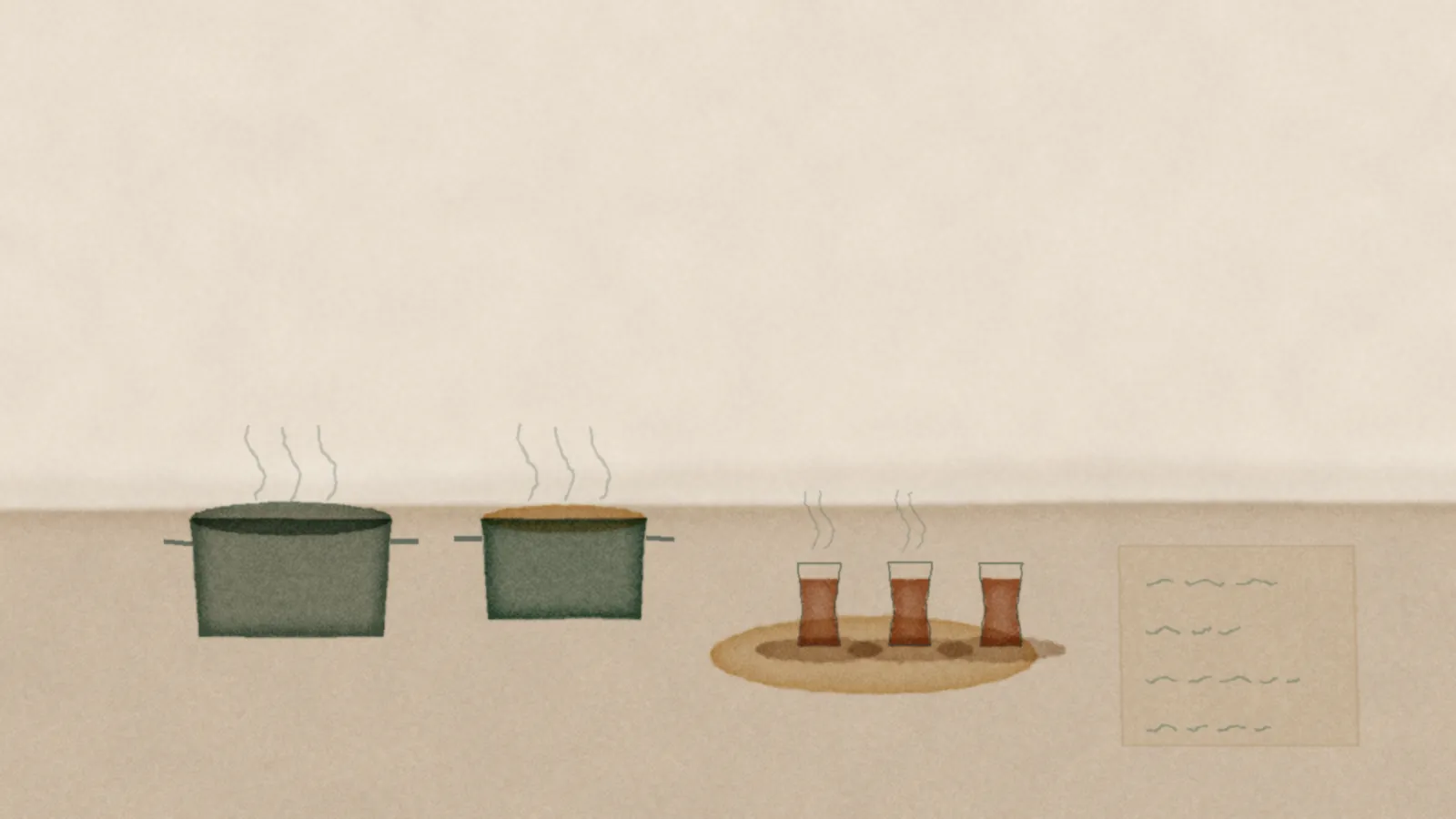
Back in Iran, a family gathering was a group effort. One aunt made the rice, another brought sweets, cousins set the table, and somebody's grandmother supervised from the best chair. Abroad, the same gathering may fall on one woman: she sends the invitations, does the shopping, cooks for twelve, translates for in-laws visiting from Iran, clears up at midnight, and remembers to send photos to the family group.
Big changes, such as a move, a new baby or a new job, often reshuffle family roles. Extended family isn't nearby to share the load, and work patterns, language skills and new expectations can shift who does what. Too often, the extra work lands quietly on women, especially the invisible work of planning, remembering and reminding. Researchers call this the cognitive or mental load of a household, and it tends to be unevenly shared [1]. It's possible to keep the customs you love while sharing the work more fairly.
Write the next gathering backwards
Take your next family event and list every task, starting from the end:
- Who will take out the rubbish?
- Who washes the big pots?
- Who drives guests home?
- Who cooks, shops, plans the menu?
- Who sends invitations, follows up and counts the final number?
- Who remembers dietary needs, birthdays and who isn't speaking to whom?

Include the work of remembering and reminding. Seeing it all on paper often surprises everyone.
Hand over one entire responsibility
Offers to “help if you need anything” still leave one person managing everything. Instead, choose one complete job to transfer:
- “Can you own the invitations, including following up and telling us the final number?”
- “Could you be in charge of drinks and clearing the table, start to finish?”
A clearly transferred job saves more attention than a promise to help when asked.
Talk about it afterwards
After the gathering, sit down together and discuss what each person noticed. What went well? What still fell on one person? Which customs do you all enjoy, and which have become a burden?
Keep the customs you love
Generous hosting, big meals and family traditions can be a deep source of joy and identity. You don't have to give them up. Let the work follow people's time, skills and willingness, not assumptions about who “knows how” or whose job it is.
When the load becomes too much
If you feel constantly exhausted, resentful or overwhelmed, or notice signs of low mood or anxiety, it's important to look after yourself and seek support [2]. Our article on building a support network abroad may help.
Questions people often ask
What is the mental load in a family?
It's the invisible work of planning, organising, remembering and anticipating needs: knowing when the children need new shoes, what to cook for guests, who to call. It often goes unnoticed because it happens in someone's head.
How do I ask my partner to share household work without an argument?
Make the work visible first, by writing it down, then ask them to own specific tasks fully. Focus on the system rather than blame.
Why do roles change so much after a big move?
Without extended family nearby, and with new jobs, schedules and language demands, the old division of labour often stops working. That's a chance to redesign it on purpose.
Women sharing what works
White Circle's Women's Circle is a space for Iranian women abroad to talk about family, roles and everything in between. Explore our circles.
References
About this article. Written by the White Circle editorial team, which runs peer support groups for Iranians abroad on anxiety, low mood, relationships, divorce, grief and more. Last updated November 25, 2026. We link the research and health guidance we rely on in the references below.
This article shares general information and lived-experience perspectives. It is not medical advice, diagnosis or treatment, and peer support is not a substitute for care from a licensed professional.
Related support groups: