Which family expectations do you still want to carry?
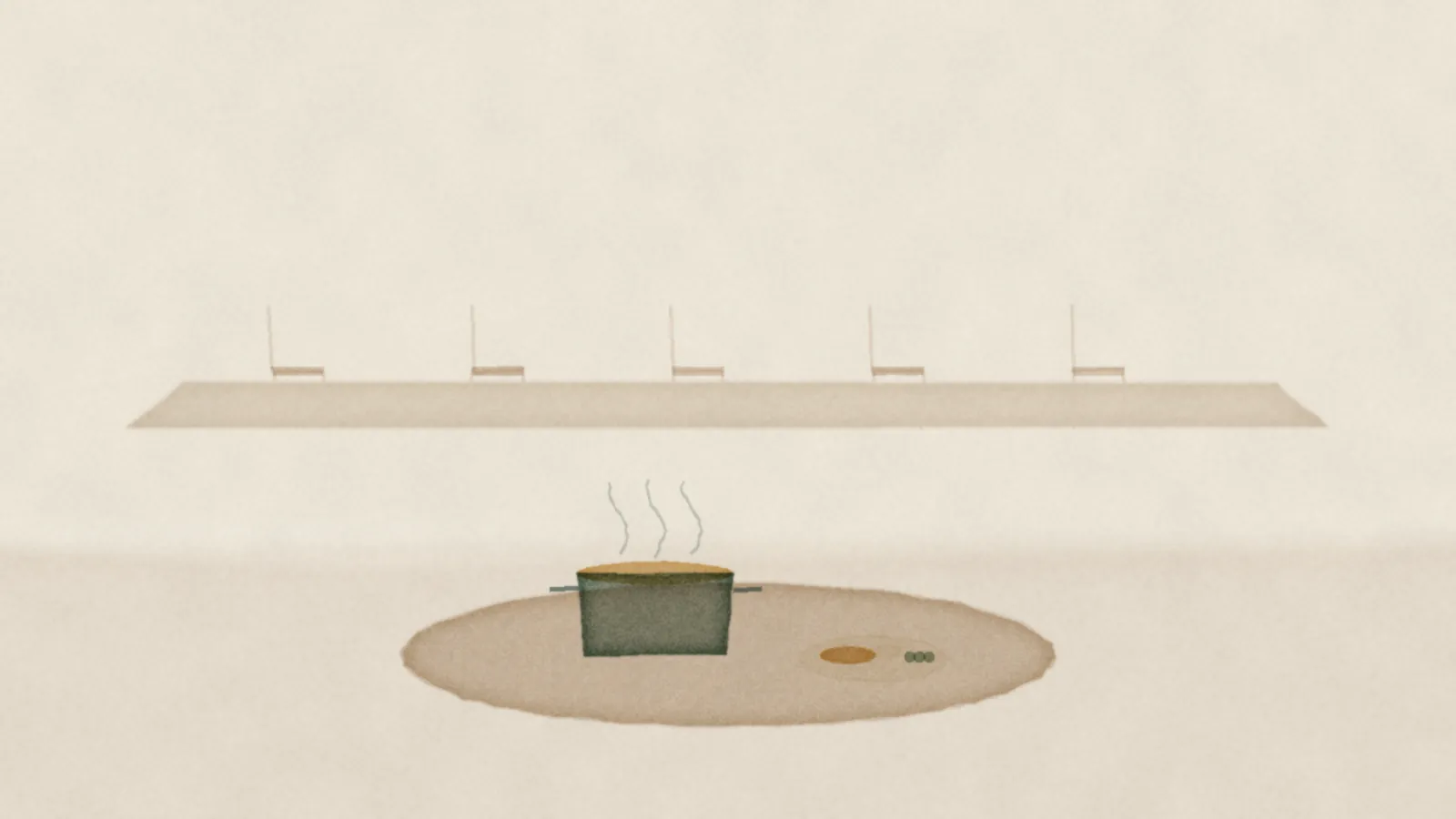
Every Friday you cook for eight people, as your mother did, even though your family now lives eight time zones away and the friends who come are usually just two. By Saturday you're exhausted, and a little resentful, though you couldn't say of whom. You grew up learning that a full table meant hospitality, love and a family that was doing well.
Adult life, especially far from where you grew up, brings a quiet sorting process. Some expectations we inherited, about hospitality, success, gender roles, religion or how a good son or daughter behaves, still fit our lives. Others were shaped for a different place, a bigger family or a different pace. Researchers note that immigrants often keep some heritage practices while adopting others from their new country, and that holding both can be healthy [2]. The question isn't whether to keep your culture. It's which parts you want to carry, and in what form.
Notice your “shoulds”
Over a week, listen for expectations you hear in your own voice as “I should”:
- “I should always have food ready if someone drops by.”
- “I should call my parents every day.”
- “I should have a better job by now.”
- “I should never say no to a relative.”
Write down one that feels heavy.
Ask three questions about it
For that one expectation, ask:
- Who first taught it to me? A parent, a grandparent, a teacher, the community?
- What did it protect? Often it protected something good: connection, respect, generosity, security.
- What does keeping it cost now? Time, money, energy, your relationship, your health?
These questions separate the value (generosity, closeness, respect) from the form it took back home.
Try a smaller version once
You can keep a value and change its timetable or shape. If feeding people matters to you but a full day of cooking no longer fits, invite someone over for soup and bread on a weeknight. If closeness to your parents matters but daily calls leave you drained, try a longer call twice a week plus voice messages.
Afterwards, notice: was the thing you loved about the old custom still there? Often it is.
Some expectations you may choose to set down
Not everything inherited needs to be kept. Some expectations, like never showing struggle, always putting others first, or measuring worth by income, may have caused harm even back home. Setting them down isn't betraying your family; it can be part of growing up, in any country. It's normal to feel guilt during this process. Guilt is a sign that the value mattered to you, not proof you're doing something wrong.
Talk about it with the people involved
If changing an expectation affects others, such as a partner, parents or siblings, explain the value you're keeping as well as what you're changing: “I still want us to be together every week. I just can't host every Friday any more.”
When the pressure feels overwhelming
If expectations from family or yourself leave you constantly anxious, low or unable to rest, it may help to talk to a counselor. WHO's guide Doing What Matters in Times of Stress, available in Persian, includes short practices for making room for difficult feelings while acting on what matters to you [1].
Questions people often ask
How do I deal with guilt about not following family traditions?
Remind yourself which value you are keeping, even if the form has changed. Guilt often eases once you see that the heart of the tradition is still present in your life.
Is it wrong to want a different life from my parents?
No. Wanting a different life is not the same as rejecting your parents. Many people find ways to honour their family while building lives that fit their own circumstances.
What if my partner and I grew up with different expectations?
That's common, especially in bicultural relationships. Talk about the value behind each expectation, and look for a version you can both live with.
Reflect with others who are sorting this out too
In White Circle's Personal Growth circle, Iranians abroad talk about which traditions they're keeping, changing and creating. Explore our circles.
References
About this article. Written by the White Circle editorial team, which runs peer support groups for Iranians abroad on anxiety, low mood, relationships, divorce, grief and more. Last updated November 25, 2026. We link the research and health guidance we rely on in the references below.
This article shares general information and lived-experience perspectives. It is not medical advice, diagnosis or treatment, and peer support is not a substitute for care from a licensed professional.
Related support groups: