Defining a good life on your own terms
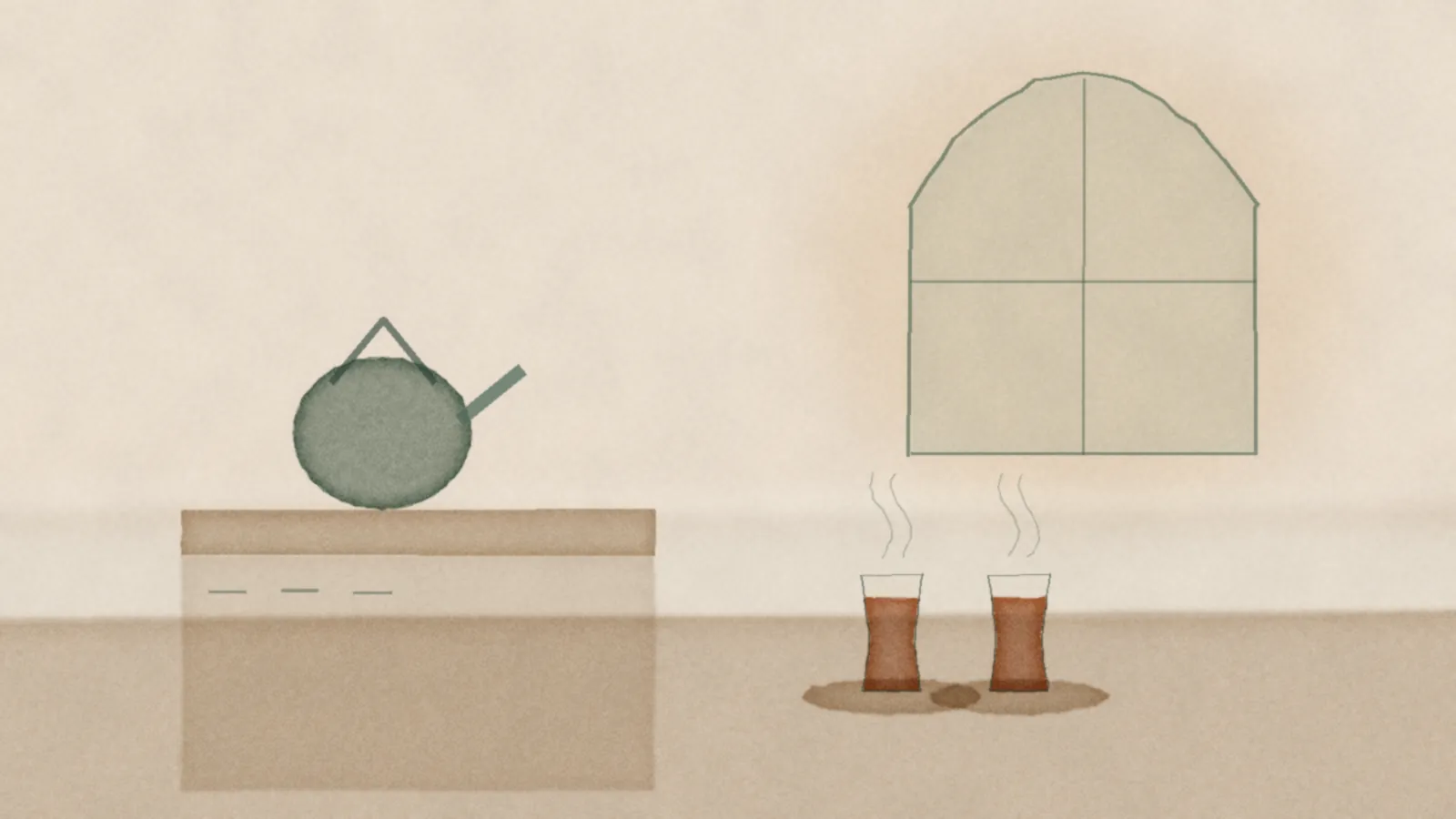
“Are you happy there?” relatives ask. You start listing things: the job, the apartment, the children's school. It all sounds fine, but somehow it doesn't answer the question. On the drive home you realise you haven't asked yourself what a good life actually looks like, not to your parents, not on social media, but to you, here.
Adult life often comes with a ready-made scorecard: degree, job title, house, a passport, savings. Those things matter, and many people work extremely hard for them. But a life can tick every box and still feel thin, while another life with fewer achievements feels full. Defining “good” for yourself makes it easier to see progress and easier to choose where to put your limited energy.
Imagine one ordinary Wednesday
Instead of big goals, picture a perfectly ordinary Wednesday in a life you'd like to live. Be specific:
- Where are you when work ends?
- Who knows to put the kettle on for you?
- What do you eat, and with whom?
- Which part of the day belongs to nobody else?
- How do you feel going to bed?
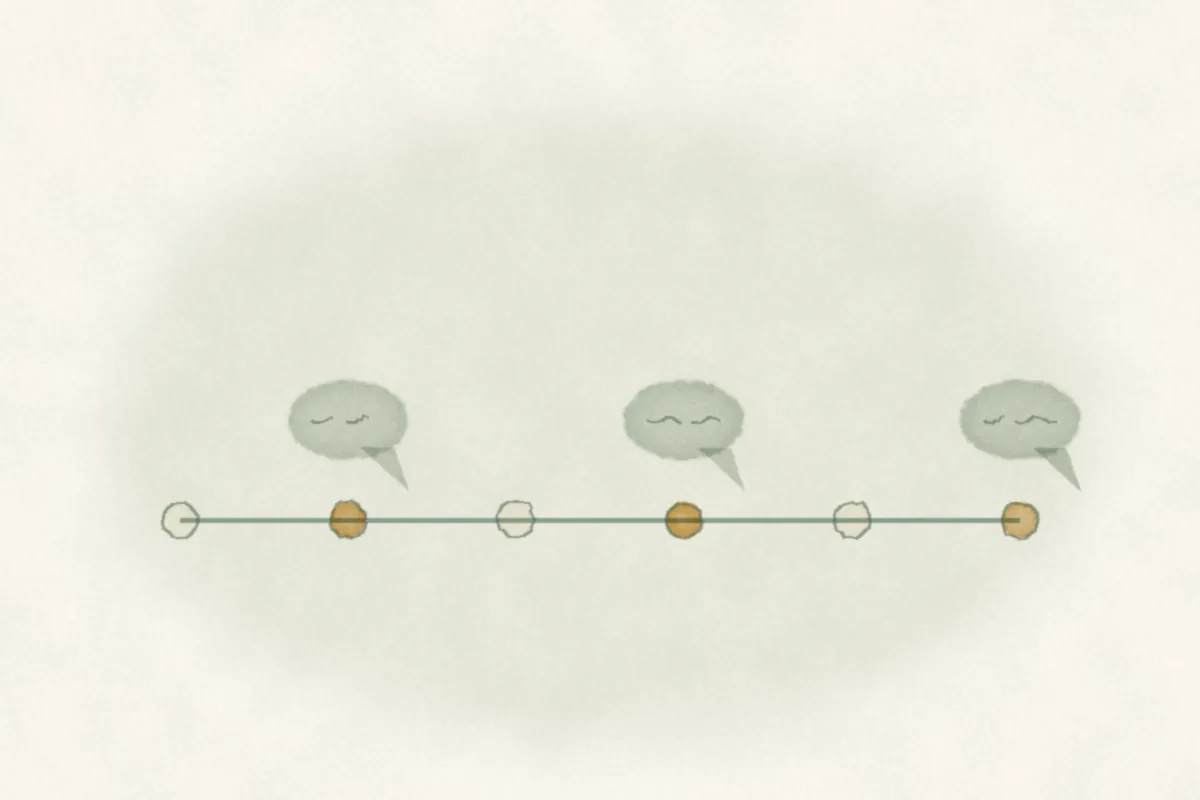
Ordinary details make “a good life” easier to talk about than a list of achievements. They often reveal values you might not name directly, such as closeness, calm, usefulness, beauty or freedom.
Compare it with this week
Now look at your actual week. Which two details from your imagined Wednesday are missing? One may need money, a new job or a move, and deserves a longer plan. The other might be simple: a quiet meal without phones, a walk at sunset, a call to a friend.
Put the smaller one in your calendar this week. Small actions in line with what matters to you can shift how life feels, even while bigger goals take time [1].
Notice who the good life includes
When people describe their ideal ordinary day, other people usually appear in it: a partner, friends, neighbours, family. Connection is one of the strongest foundations of wellbeing [2]. If your imagined Wednesday is full of people but your real week isn't, building relationships may be the most important “achievement” for this year.
Explain your measure to others
If relatives measure progress differently, you don't need to argue. You can describe your own measure in a sentence:
- “Being home for dinner matters to me this year.”
- “I took a job with fewer hours so I could study.”
- “We're not buying yet, but we've made good friends here.”
Over time, people often come to respect a clear, calm explanation.
When nothing feels good
If you can't imagine any version of a good day, or everything feels pointless, that may be a sign of depression rather than a lack of clarity. Please talk to a doctor or mental health professional. See our support resources page.
Questions people often ask
How do I know what I really want in life?
Notice moments when you feel most like yourself, energised, calm or connected. Those moments are clues. Imagining an ordinary good day, rather than big goals, can also help.
Is it okay to want a simpler life than my family expected?
Yes. Many people find that a calmer, more connected life matters more to them than status. You can respect your family's hopes and still choose your own path.
Why do I still feel unsatisfied after achieving my goals?
Goals give direction, but reaching them doesn't always bring lasting satisfaction. Our article on finding direction after a big milestone explores this.
Talk about what matters with others
In White Circle's Meaning & Purpose circle, Iranians abroad reflect together on building lives that feel right to them. Explore our circles.
References
About this article. Written by the White Circle editorial team, which runs peer support groups for Iranians abroad on anxiety, low mood, relationships, divorce, grief and more. Last updated November 25, 2026. We link the research and health guidance we rely on in the references below.
This article shares general information and lived-experience perspectives. It is not medical advice, diagnosis or treatment, and peer support is not a substitute for care from a licensed professional.
Related support groups: