Sharing Nowruz traditions when your child wants to do things differently
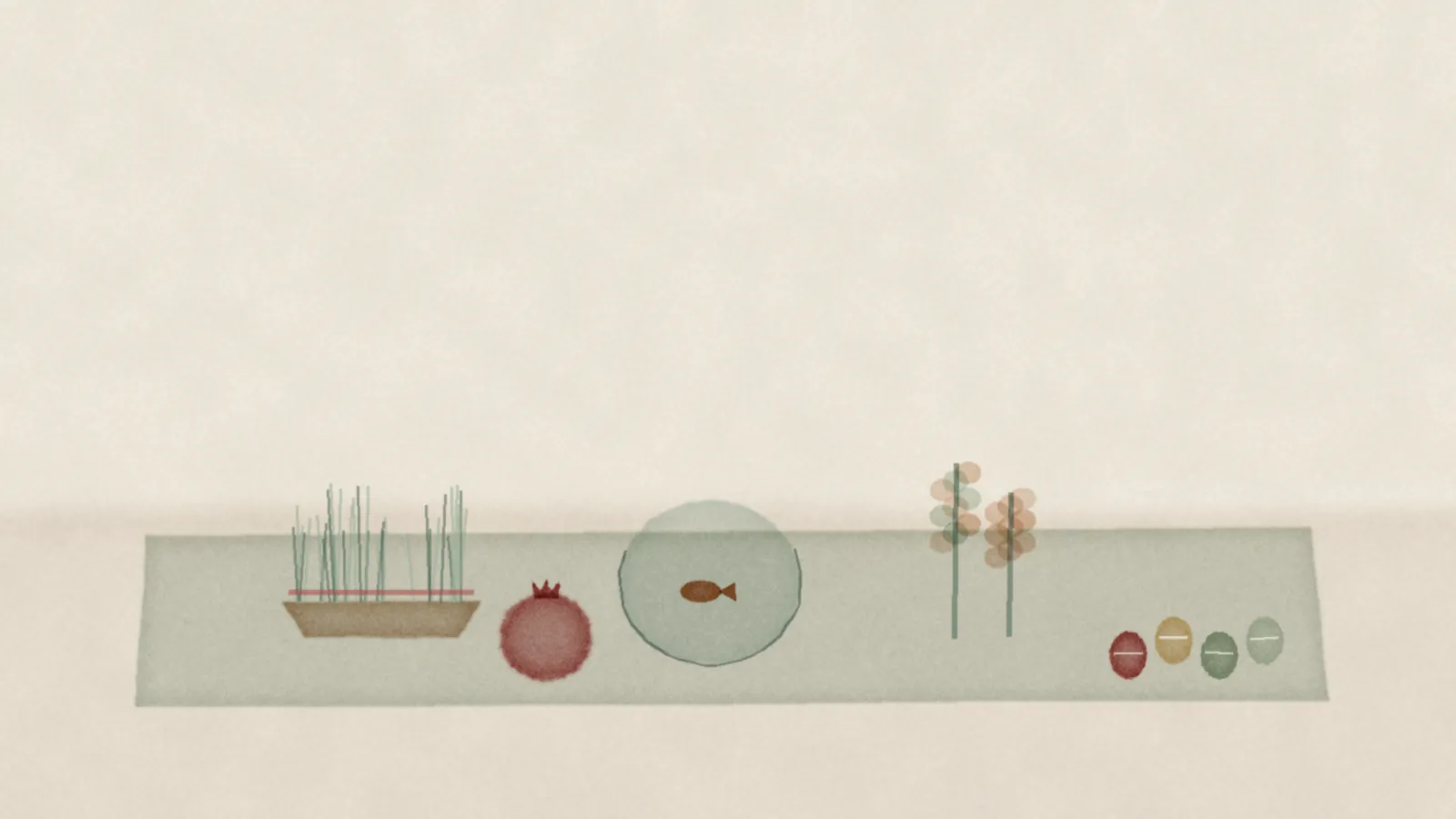
Your daughter wants to paint the haft-seen eggs purple with glitter and invite a school friend who has never heard of Nowruz. You had pictured the table your grandmother set: the same white cloth, the same mirror, everyone gathered around it before the year turned. For a moment, it feels as if something precious is slipping away.
For Iranian families abroad, Nowruz often carries extra weight. It may be one of the few times a year when children see their heritage celebrated, and parents may feel responsible for getting it “right”. But traditions survive by being lived, not preserved under glass. Nowruz itself has been celebrated in many ways across many countries for centuries [1]. Children who help shape a tradition are often the ones who carry it forward.
Before saying no, tell a story
When your child wants to change something, share what the tradition means to you. You might say: “When I was your age, we all found a seat around the table just before the new year, and my grandfather read a poem. It was the only time all year that everyone was quiet together.”
Stories give children the why behind a custom. A child who understands why the family gathers may care less about the colour of the eggs and more about being there when the year turns.
Give your child a real part to design
Children invest in what they help create. Let them own one or two pieces:
- writing or drawing the invitations,
- choosing music to play,
- deciding where the eggs and goldfish go on the table,
- explaining the haft-seen items to a guest,
- growing the sabzeh from seeds a couple of weeks before.
Keep one detail you care about, and say why
You don't have to give up everything. Pick the one or two things that matter most to you, such as reading a poem, calling grandparents at the moment of the new year, or a particular dish, and explain why. Children are usually more willing to keep a tradition when they understand what it means to the people they love.
Welcome friends and new ideas
Inviting a friend who doesn't know Nowruz can be a gift. Your child gets to be the expert, explaining what each item means and why the table is set. That can build pride in their heritage in a way no lecture can. Sharing celebrations with friends and neighbours can also help your family feel more connected in your new home [2].
Ask what they'd bring back next year
After the holiday, ask your child: “What was your favourite part? What should we do again next year?” Their answers may become new family traditions you could never have planned: the purple eggs, the playlist, the friend who now comes every year.
When Nowruz feels heavy
For some families, Nowruz also brings grief: missing relatives in Iran, a first holiday after a loss, or difficult news from home. It's okay for the day to hold both joy and sadness. Our article on the first Nowruz after a death may help.
Questions people often ask
How do I explain the haft-seen to young children?
Keep it simple and hands-on. Explain that each of the seven items starts with the Persian letter “sin” and stands for a wish for the new year, such as sabzeh for growth and new life. Let them touch, arrange and name each one.
What if we don't have Iranian family nearby to celebrate with?
Look for community events, Iranian cultural associations or other families from your child's school. Video calls with relatives at the moment of the new year can also become a cherished ritual.
My child isn't interested in Nowruz. Should I insist?
Gentle invitation works better than pressure. Find the part they enjoy most, whether it's food, gifts, music or being with cousins, and build from there. Interest often grows as children get older.
Celebrate alongside other families
In White Circle's Parenting Challenges circle, Iranian parents abroad share how they keep traditions alive with their children. Explore our circles.
References
About this article. Written by the White Circle editorial team, which runs peer support groups for Iranians abroad on anxiety, low mood, relationships, divorce, grief and more. Last updated November 25, 2026. We link the research and health guidance we rely on in the references below.
This article shares general information and lived-experience perspectives. It is not medical advice, diagnosis or treatment, and peer support is not a substitute for care from a licensed professional.
Related support groups: