When family members grieve differently from you
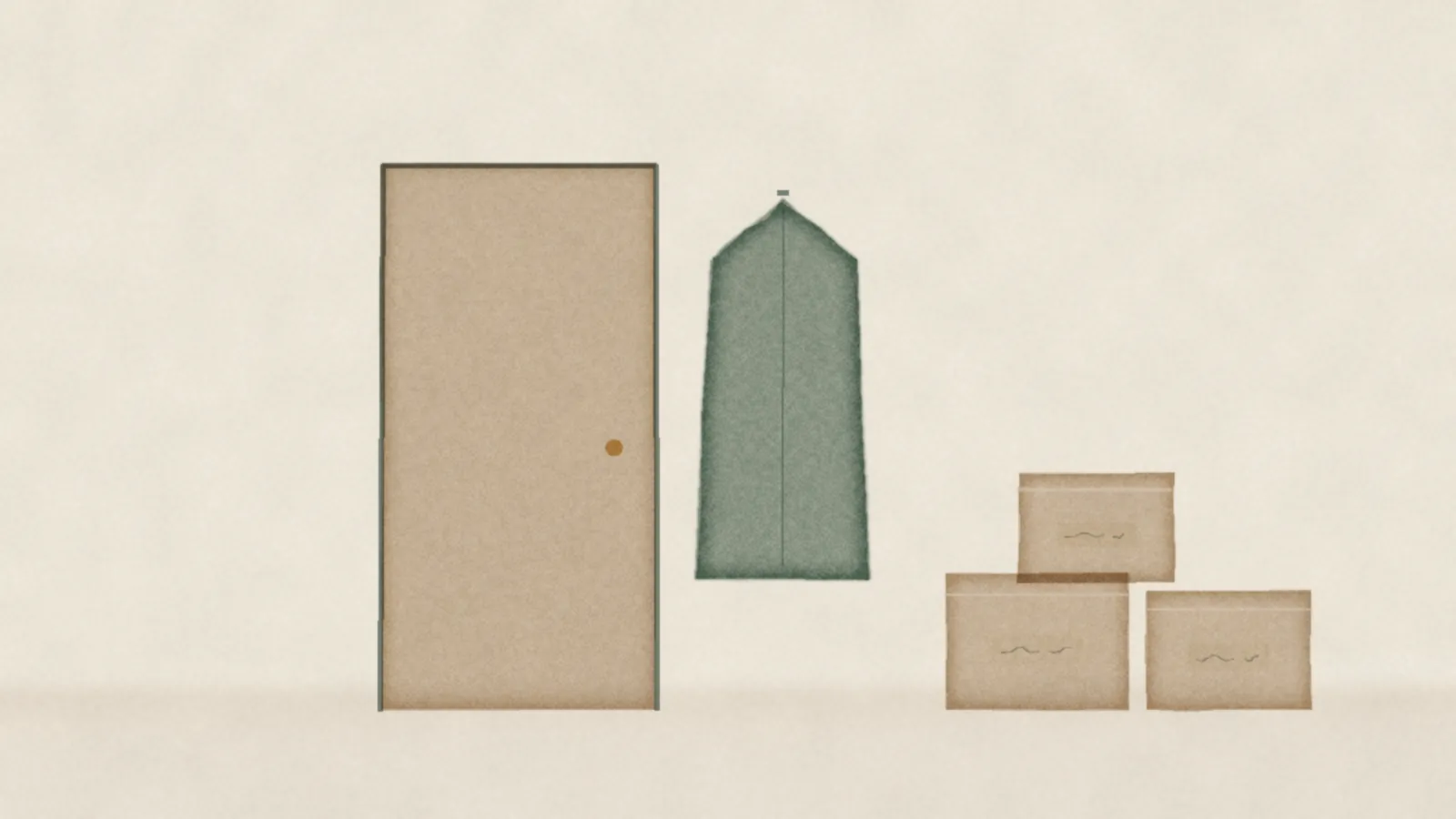
A few weeks after your mother's death, your brother arrives with boxes and wants to sort her clothes that weekend. Your sister still expects to see her coat hanging by the door every time she visits and can't bear the thought of it gone. You're somewhere in between, and on a video call from abroad, trying to keep the peace. Within minutes, an argument about a coat has become an argument about who loved her most.
People grieve in very different ways, even within the same family. Some cope by doing: clearing, organising, making arrangements. Others need time with reminders before they can let go. Grief researchers describe how people move between focusing on the loss and on practical life, at different paces [1]. Neither style is wrong. But when decisions about belongings, rituals or money need to be made together, those differences can collide, and distance makes them harder.
Treat a decision about a coat as a decision about a coat
When emotions run high, a single object can start to stand for everything: love, loyalty, who was there at the end. Try to bring it back to its actual size: this is a decision about a coat, with people and timing attached. It can't settle who loved your parent most.
Separate urgent tasks from choices that can wait
Some things may genuinely be urgent, like clearing a rented home by a deadline or dealing with legal or financial paperwork. Many other decisions can wait. Make two lists together:
- What must be done, and by when?
- What can wait until everyone is ready?
Give everyone time with what matters to them
If a home must be cleared, ask each person to name a few items they want time with. Then, by agreement:
- photograph them,
- box them separately to revisit later,
- set a date, perhaps a few months away, to decide about the rest.

Avoid giving away or discarding shared keepsakes while someone is still deciding. Once something is gone, it can't be undone.
Start the harder conversation with a question
When you disagree about a particular object, begin with curiosity rather than argument:
“What would it mean to you to keep this?”
You may learn that the coat isn't about the coat at all, but about the last winter walk your sister took with your mother. Understanding that can change the conversation.
Include family members who are far away
If you or a sibling live abroad, agree on how you'll be included: video calls during sorting, photos of items before decisions, or someone you trust acting on your behalf. Being left out of these moments can add to grief.
When conflict deepens
If disagreements are damaging relationships or becoming entangled with inheritance disputes, a family mediator or grief counselor can help. If grief itself feels overwhelming months later, or you're unable to function, please talk to a doctor. Grief that persists intensely can be helped with professional support [2].
Questions people often ask
When should we sort a parent's belongings?
There's no right time unless there's a practical deadline. Some families do it within weeks; others wait months or longer. Agree on what's urgent and give the rest time.
Why does my sibling seem not to care?
People show grief differently. A sibling who busies themselves with tasks may be grieving just as deeply. Asking how they're doing, rather than judging how they appear, can help.
How do we share keepsakes fairly?
Some families take turns choosing, or each person names a few must-haves first. Photographs, and dividing items like recipes or letters, can help everyone keep something meaningful. Our article on preserving family recipes after a loss has ideas.
Grieve together, even when differently
In White Circle's Grief & Loss circle, Iranians abroad talk about family, belongings and grieving at different paces. Explore our circles.
References
About this article. Written by the White Circle editorial team, which runs peer support groups for Iranians abroad on anxiety, low mood, relationships, divorce, grief and more. Last updated November 25, 2026. We link the research and health guidance we rely on in the references below.
This article shares general information and lived-experience perspectives. It is not medical advice, diagnosis or treatment, and peer support is not a substitute for care from a licensed professional.
Related support groups: