Asking for practical help when you're embarrassed about money
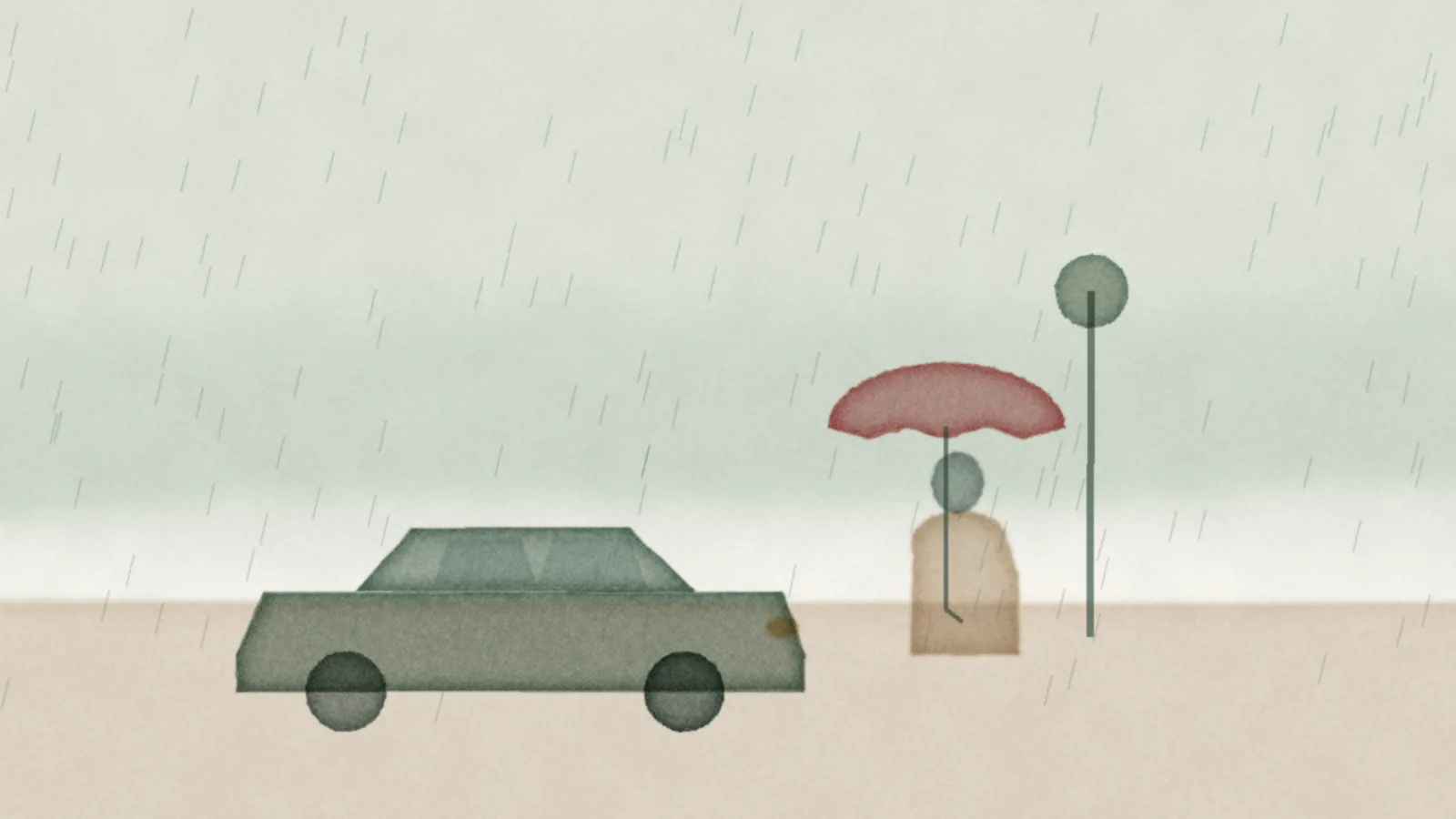
The clinic appointment is on Tuesday morning. By bus it means two fares, two changes, and arriving late for your shift. A neighbor drives that way most days. You've thought about asking three times and each time stopped, worried it would look like you can't manage, or that they'd guess things are tight.
Shame about money often stops people from asking for help that would cost the other person nothing. In many Iranian families, keeping up appearances and not being a burden are deeply held values, and asking can feel like losing face. But leaning on others for practical support is one of the ordinary ways people get through hard periods [1]. Most people are glad to help when the request is clear and easy to fit around their day.
Start with the obstacle, not your finances
You don't need to explain your bank balance. Name the specific problem and ask the person most likely to be able to solve it without much effort:
- “Are you driving near the clinic on Tuesday? A ride one way would really help.”
- “Could I borrow your drill for an hour on Saturday? I need to put up one shelf.”
- “Would you be able to keep an eye on the kids for an hour on Thursday while I go to an interview?”
If you want to give a reason, “I'm keeping expenses down at the moment” is enough. It's true, and it doesn't invite more questions.
Make it easy to say no
A request feels lighter when the other person has a real way out. Give a clear time, keep the favor bounded, and add something like: “No problem at all if it doesn't work.” This protects the friendship and makes it more likely they'll say yes another time.
If they agree, confirm the details, such as the pickup point or the return time, and let them know straight away if your plans change.
Thank them simply, and let it be even over time
A warm, straightforward thank-you is enough. You don't need to repay a lift with an expensive gift, which can undo the saving. Friendships tend to balance out over months, not days. You might cook for them, help with a form in Persian or English, or be the one who drives next year. Our article on building a support network before you need it has more on this kind of give and take.
When shame is the bigger problem
If you notice you're avoiding people, skipping appointments or going without things you need because asking feels unbearable, it may help to talk about that feeling directly, with someone you trust or a professional. If money problems are building up, a free, non-profit financial counselor or a simple budgeting tool can help you see your options more clearly [2].
Questions people often ask
How do I ask for help without feeling like a burden?
Ask for one specific, time-limited thing, and offer an easy way to decline. Clear requests are easier to say yes to, and many people like being asked.
Do I have to explain why I need help?
No. “I'm keeping expenses down at the moment” is a complete answer. You can share more with people you trust if you want to.
What if they say no?
A no to one request is usually about their schedule, not about you. Thank them and ask someone else, or try a different time.
Talk with people who understand
White Circle's Financial Stress circle is a confidential space where Iranians abroad talk about money pressure, including the pride and shame that can come with it. Explore our circles.
References
About this article. Written by the White Circle editorial team, which runs peer support groups for Iranians abroad on anxiety, low mood, relationships, divorce, grief and more. Last updated November 25, 2026. We link the research and health guidance we rely on in the references below.
This article shares general information and lived-experience perspectives. It is not medical advice, diagnosis or treatment, and peer support is not a substitute for care from a licensed professional.
Related support groups: